Bird Flu Pushes Badminton Shuttlecock Costs Up 50 Per Cent
Bird flu outbreaks are hitting badminton players in the pocket, with the cost of feather shuttlecocks rising by as much as 50 per cent, according to ABC News reporting.


Feather Shuttlecocks Feel the Heat from Bird Flu
Badminton players are facing a sharp rise in equipment costs, with bird flu outbreaks driving up the price of feather shuttlecocks by around 50 per cent. The increase, reported by ABC News in Australia, is squeezing club budgets and forcing recreational and competitive players alike to rethink how they spend on the sport.
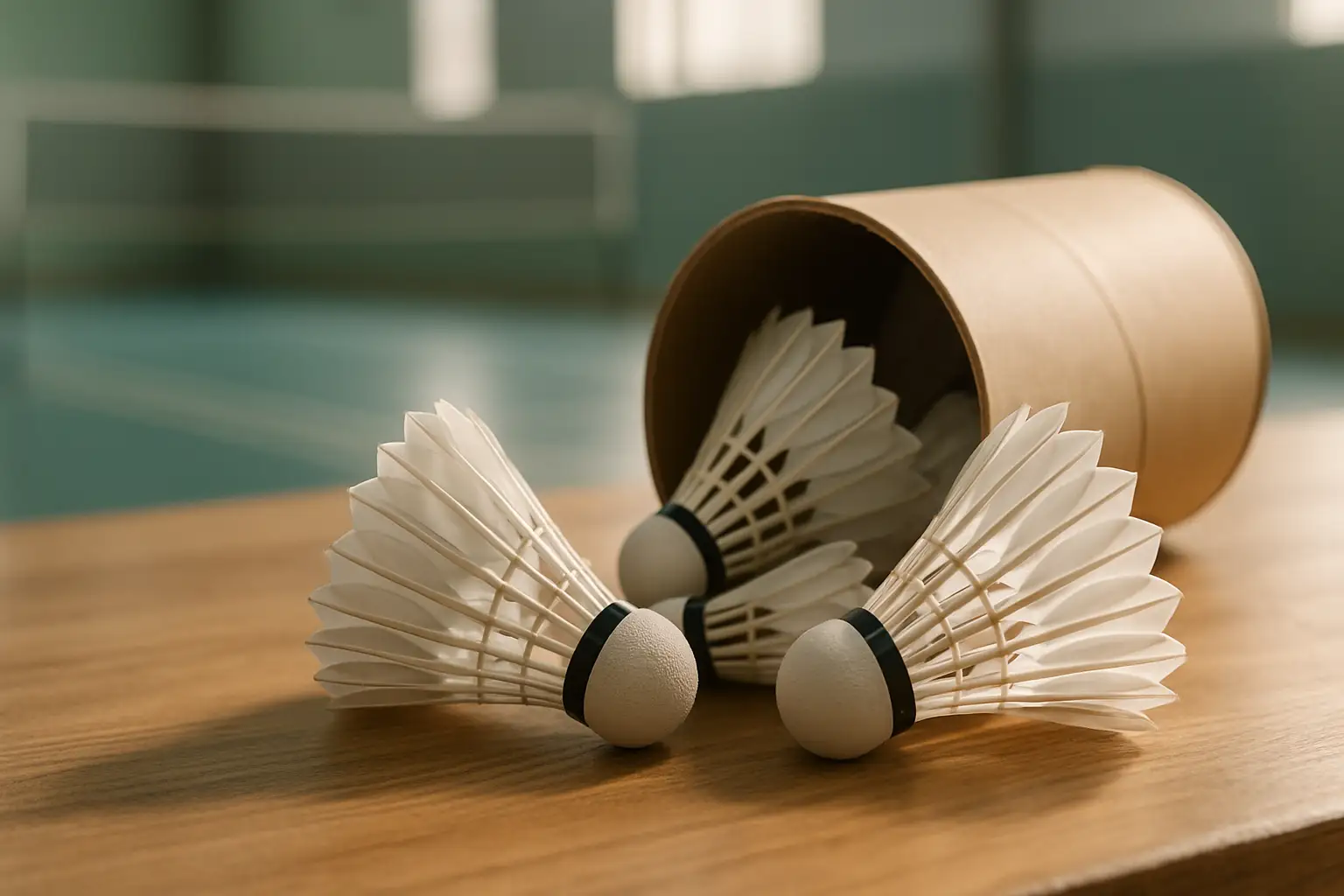
Feather shuttlecocks are made almost entirely from goose or duck feathers, which makes them directly vulnerable to any disruption in poultry supplies. When bird flu spreads through flocks, the supply of quality feathers drops, and manufacturers pass that cost on to buyers.
The math is straightforward and uncomfortable. A tube of shuttlecocks that previously cost a club a set amount now costs half as much again. For casual players who go through a few tubes a week, that is a noticeable hit. For clubs running regular competitions or training programs, the cumulative extra expense can run into hundreds of dollars a season.
Why Feathers Are So Hard to Replace
The reliance on natural feathers is not simply tradition. Serious players and tournament organizers consistently prefer feather shuttlecocks over synthetic alternatives because of the way they fly. Feathers produce a more consistent trajectory and a softer, more predictable feel at impact, qualities that synthetic nylon or plastic shuttles struggle to replicate at the same level.
That preference means demand for feather shuttlecocks holds firm even as prices climb. Players at competitive level are unlikely to switch to synthetics for training or match play, which limits how much the market can self-correct through substitution.
Poultry flocks in major feather-producing regions have been hit hard by recent bird flu strains, reducing the pool of birds available for harvesting. Farmers who have had stock culled to contain outbreaks cannot replace those birds overnight. The supply chain squeeze is therefore likely to persist for some time rather than resolving quickly.
The Practical Impact on Players and Clubs
Club treasurers and coaches are having to make calls they would rather not make. Some clubs are absorbing part of the cost increase to keep membership fees stable, which cuts into money available for other expenses. Others are passing the increase directly to members through higher session fees or equipment levies.
Individual players buying their own shuttles are increasingly checking prices across multiple suppliers or buying in bulk when stock is available at better rates. Some are also treating shuttlecocks more carefully during practice, retrieving them more diligently and retiring them later in their life than they might have previously.
For junior programs and community clubs operating on tight margins, the pressure is more acute. Shuttlecocks are a consumable, not a one-time purchase. A net or a racket can last years. A tube of shuttlecocks at a busy club might last a single session.
What Players Can Do Right Now
Shopping around is the most immediate option. Prices vary between retailers and distributors, and buying in larger quantities often brings the unit cost down. Some players are also experimenting with mid-range feather shuttles rather than premium tournament-grade options for practice sessions, saving the best stock for match play.
Synthetic shuttles have improved in recent years and are worth reconsidering for casual or beginner play where the flight difference matters less. Brands have invested in making plastic shuttlecocks behave more like feather ones, and for social games the gap has narrowed.
The longer-term picture depends on how bird flu outbreaks develop globally. If poultry populations recover and supply stabilises, prices could ease. If outbreaks continue or worsen, the 50 per cent increase reported by ABC News may not be the ceiling.
For now, badminton players are absorbing an unwelcome cost that has nothing to do with the sport itself and everything to do with a global animal health crisis working its way through the supply chain.


Badminton Correspondent
Priya Nair covers badminton for 21.fun, from BWF World Tour results to player form, rankings and tactics.