
UEFA, CONCACAF and AFC Accuse FIFA of Deception Over World Cup Plans
Three of football's most powerful confederations have accused FIFA of deception and a serious breach of trust over its handling of World Cup planning, raising fresh governance concerns.
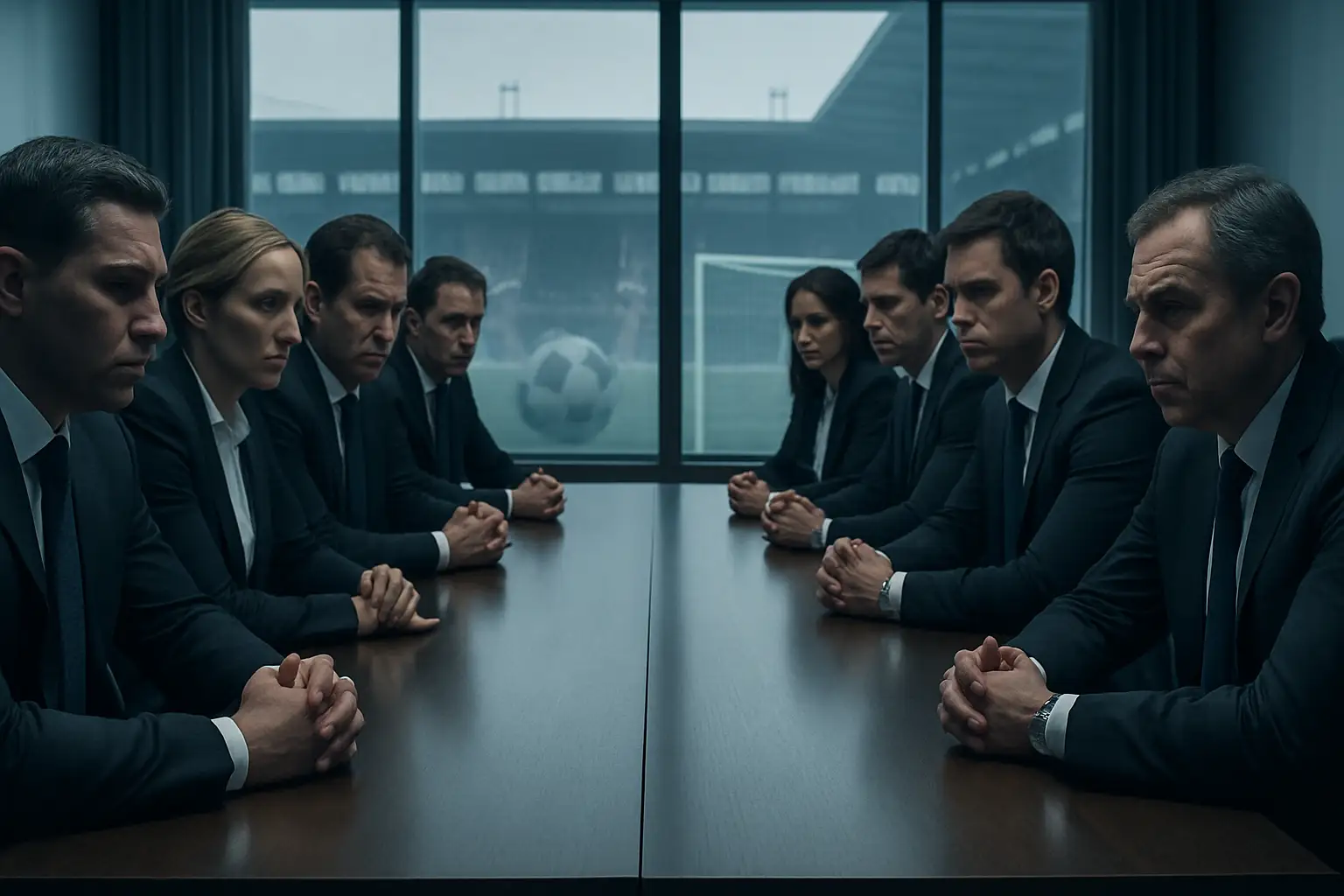


Three Confederations Turn on FIFA
UEFA, CONCACAF and the Asian Football Confederation have jointly accused FIFA of deception and a breach of trust over its World Cup plans, according to a report by TSN. The rare public alignment of three major confederations against the global governing body signals a serious fracture at the top of world football.
The accusations centre on the way FIFA has handled planning decisions related to the World Cup, with the three confederations claiming they were misled and that commitments made to them were not honoured. For three bodies that together represent the vast majority of the world's footballing nations, the decision to speak out jointly is a significant escalation.
Details of precisely which plans triggered the dispute have not been fully disclosed publicly, but the language used by the confederations is pointed. Words like "deception" and "breach of trust" are not thrown around lightly in football's diplomatic circles, and their use here suggests the breakdown goes beyond a routine disagreement over policy.
What This Means for FIFA's Authority
FIFA has long relied on a working relationship with its six continental confederations to maintain credibility and implement decisions at a global level. When confederations of the size and influence of UEFA, CONCACAF and the AFC move together to challenge the governing body's conduct, it puts real pressure on that structure.
UEFA represents the European game and controls some of the sport's wealthiest clubs and most-watched competitions. CONCACAF oversees North and Central America and the Caribbean, a region that will co-host the 2026 World Cup alongside South America. The AFC covers a vast swath of Asia and the Middle East, including Qatar, which hosted the 2022 tournament. Their combined membership spans hundreds of national associations.
The timing is notable. With the 2026 World Cup already in preparation and FIFA continuing to push forward plans for an expanded Club World Cup, tensions over scheduling, revenue distribution and decision-making rights have been building across the confederations for some time.
A Pattern of Tension
This is not the first time FIFA's internal relationships have shown strain. The governing body's plan to expand the Club World Cup to 32 teams, for example, drew resistance from European clubs and leagues who argued they had not been genuinely consulted. The current accusations from UEFA, CONCACAF and the AFC suggest that frustration over process and transparency has now moved beyond the club level and into the confederation boardrooms.
Governance questions at FIFA are not new. The organisation rebuilt parts of its reputation following the corruption scandals that became public in 2015, but criticism of how decisions are made at the top has continued under the current leadership.
A joint statement or coordinated accusation from multiple confederations puts FIFA in a difficult position. It cannot easily dismiss the concerns without risking a deeper rupture, but conceding that it misled its own member bodies would carry its own consequences.
FIFA has not yet publicly responded in detail to the confederations' accusations, according to the TSN report. How the governing body chooses to address the claims is likely to shape the tone of relations across world football as the 2026 World Cup approaches.


Football Correspondent
Alex covers football and the global game with fast, sharp analysis.