FIFA Crisis: Who Supports Gianni Infantino and Who Wants Him Out
FIFA's internal tensions are reaching a boiling point as fault lines form between those backing president Gianni Infantino and those calling for change at the top.



FIFA's Leadership Under the Microscope
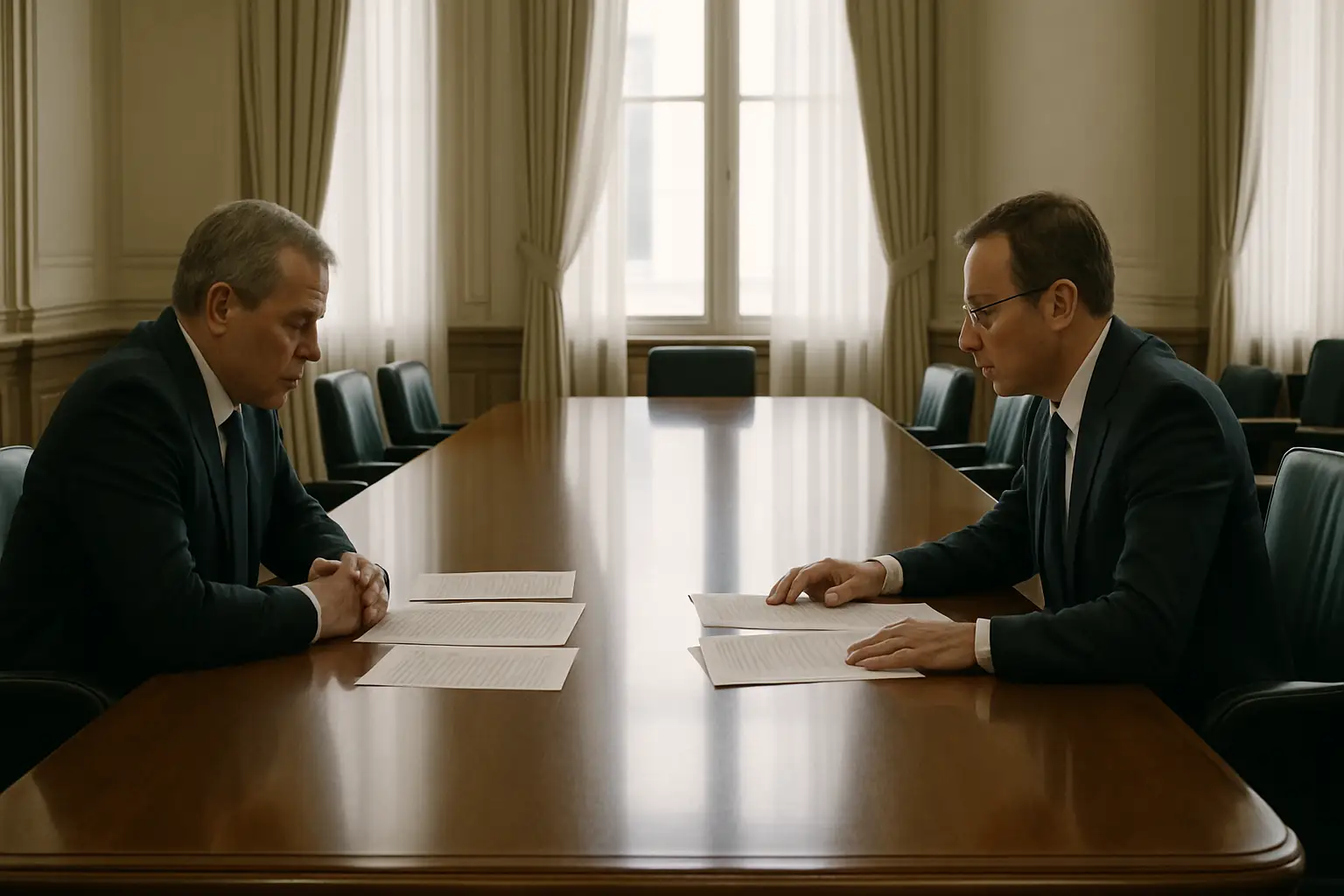
The FIFA crisis surrounding Gianni Infantino has moved beyond quiet boardroom disagreements. Divisions over the FIFA president's leadership style, governance decisions, and expanding power base are now spilling into public view, with member associations and officials taking sides in what is shaping up as a significant test of his authority.
Infantino, who has led world football's governing body since 2016, has faced a growing chorus of criticism from certain confederations and national associations, even as he retains strong support from large voting blocs that have historically backed his agenda.
The NZ Herald has reported on the widening split, outlining which corners of world football are standing with Infantino and which are pushing back.
Where Infantino's Support Comes From
Infantino's backing is broad in numerical terms. Much of his support base sits within African, Asian, and CONCACAF member associations, regions where his development funding promises and expanded tournament formats have been welcomed. The 2026 World Cup expansion to 48 teams, a project championed by Infantino, was particularly popular among smaller footballing nations that gained a route to qualification they previously lacked.
Some confederations see him as a pragmatic operator who has grown FIFA's revenues and delivered financial distributions to member associations that were struggling before his tenure. His allies argue that criticism directed at him is often politically motivated, driven by European football interests that want to preserve their traditional grip on the game's power structures.
Who Is Pushing Back
Opposition to Infantino is most vocal within European circles. UEFA and several of its powerful member associations have clashed with FIFA's leadership over a range of issues, including the proposed FIFA Club World Cup format and the broader question of how international football's calendar is structured.
Critics argue Infantino has centralised decision-making within FIFA in ways that reduce the influence of the confederations, and that his administration lacks the transparency expected from an organisation of FIFA's size and global reach. Some officials have raised concerns about governance standards and the direction in which he is steering the sport commercially.
The tension between FIFA and European clubs - many of whom refused to participate in the expanded Club World Cup in its earlier proposed forms - reflects a deeper friction between Infantino's vision for the game and the priorities of the major league and club structures in Europe.
What This Means for World Football
The fault lines now visible inside FIFA matter beyond internal politics. Decisions made at the top of the organisation shape everything from World Cup hosting rights to how football revenues are distributed globally, and who gets a seat at the table when those calls are made.
Infantino is not facing any immediate formal challenge to his position, and his re-election in 2023 demonstrated that he commands enough votes among FIFA's 211 member associations to remain secure in the short term. But pressure from influential confederations and persistent questions about governance suggest his second term will be defined as much by managing dissent as by delivering on his expansion agenda.
The crisis, as it stands, is less about a single scandal and more about a sustained contest over what FIFA is, who it serves, and how much power should rest with one person at its centre.


Football Correspondent
Alex covers football and the global game with fast, sharp analysis.