Warzone Esports Faces Backlash Over Controversial Audio Changes
Warzone esports could be heading for trouble as controversial in-game audio tunes spark concern among players and competitive organizers alike.
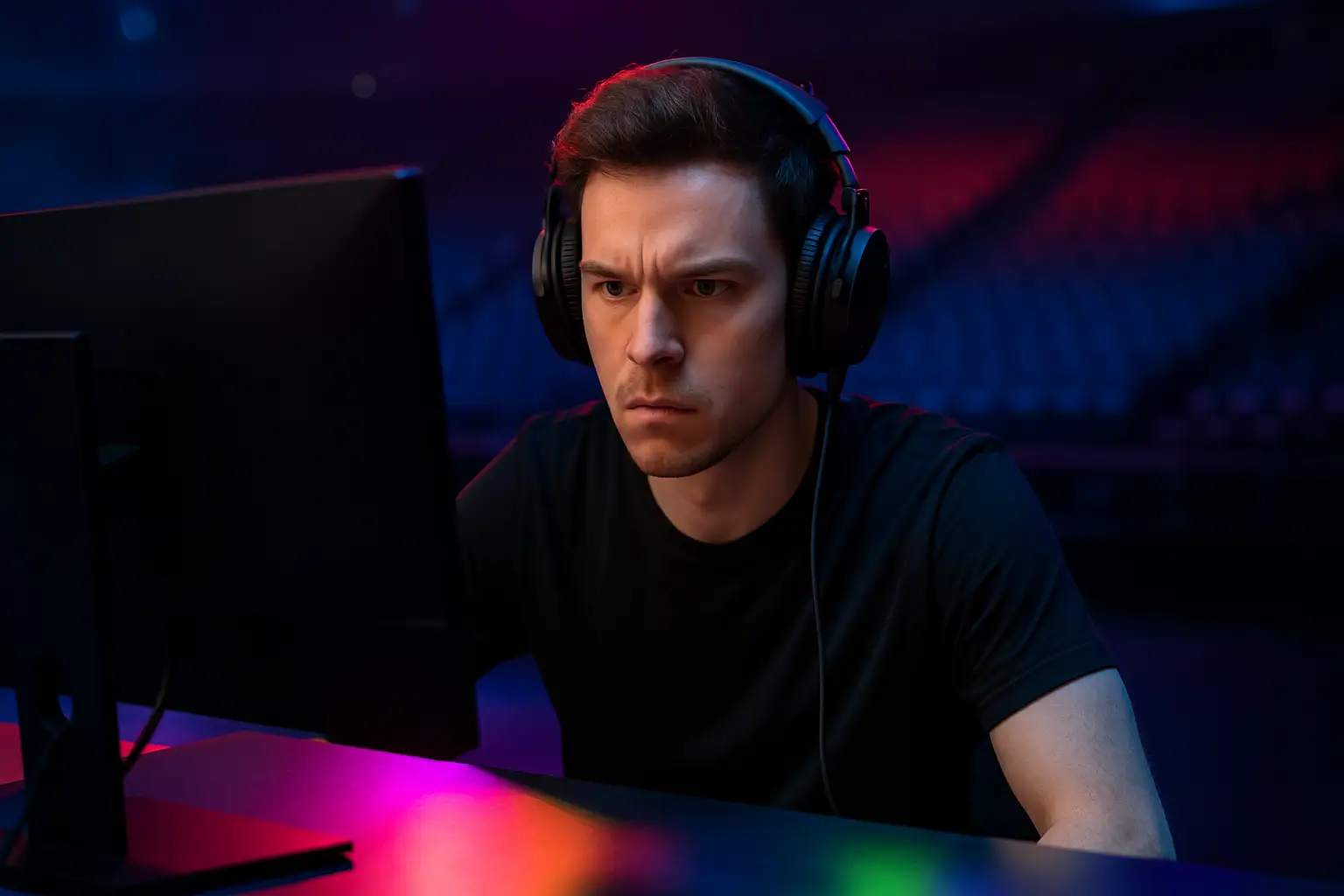


Warzone Esports Under Pressure From Audio Controversy
Warzone esports is facing a serious threat, and it has nothing to do with cheating software or roster drama. The issue is audio. Specifically, a set of controversial in-game audio tunes that have drawn sharp criticism from the competitive community, with some warning the problem could undermine the integrity of high-level play.
The concern, first reported by Esports Insider, centers on how certain audio cues or musical tunes within the game are affecting the competitive experience. Audio in a battle royale title like Warzone is not a cosmetic detail. It is a core gameplay mechanic. Players rely on sound to track enemy footsteps, identify weapon types, and gauge the distance of approaching threats. Any inconsistency or distraction introduced through audio can shift the outcome of a match in ways that have nothing to do with skill.
Why Audio Matters So Much in Competitive Play
In most top-tier first-person shooters, sound design is treated with the same seriousness as hit registration or frame rate stability. Professional players and teams invest heavily in high-end headsets and audio setups precisely because directional sound and audio clarity can be the difference between winning and losing a gunfight.
Warzone, as a free-to-play title built on the Call of Duty engine, has historically had a complicated relationship with audio. Footstep volume, environmental sounds, and kill effects have all been flashpoints in the community at various points. Adding controversial tunes into the mix, whether tied to cosmetic bundles, in-game events, or other features, introduces a new layer of unpredictability that competitive players find unacceptable.
The fear is straightforward: if audio tunes can be triggered during live matches, they could mask or distort the sounds players depend on to make split-second decisions. In a casual public match, that might be a minor annoyance. In an organized esports event with prize money on the line, it becomes a fairness issue.
Competitive Organizers and Players Raising Alarms
The Warzone esports scene, while not as formally structured as titles like League of Legends or Counter-Strike, has grown into a legitimate competitive ecosystem with tournaments, sponsorships, and dedicated professional players. That ecosystem is sensitive to anything that introduces uncontrolled variables into matches.
Organizers running Warzone events typically work to standardize settings as much as the game allows, but audio features tied to cosmetic or seasonal content are not always easy to disable at the tournament level. If Activision and the development team do not offer a straightforward way to suppress these tunes in competitive settings, event runners are left with limited options.
Player frustration is also building. Competitors who have built their careers around mastering Warzone's audio landscape are understandably resistant to changes that feel cosmetic in origin but carry gameplay consequences. The argument from critics is simple: audio tunes that serve a monetization or entertainment purpose should never be allowed to interfere with the competitive sound environment.
What Needs to Happen Next
The path forward likely requires a direct response from the development side. A toggle or competitive mode that disables non-essential audio features during ranked or tournament play would address the core complaint without removing the content entirely for casual players.
This kind of split, where cosmetic or seasonal features are available in public lobbies but switched off in competitive environments, is not a new concept. Many live service games already operate this way. The question is whether Activision will treat the Warzone esports community's concerns as urgent enough to warrant a specific fix.
Until that happens, the controversy is likely to grow. Warzone esports has worked hard to establish itself as a credible competitive space. Allowing audio issues to chip away at that credibility over what amounts to a preventable design decision would be a frustrating outcome for everyone invested in the scene.


Football Correspondent
Alex covers football and the global game with fast, sharp analysis.