UEFA Keeps World Cup Boycott Threat Alive After Infantino Crisis Talks
UEFA has refused to back down from its threat to boycott the World Cup following a high-stakes crisis meeting with FIFA president Gianni Infantino, reports say.
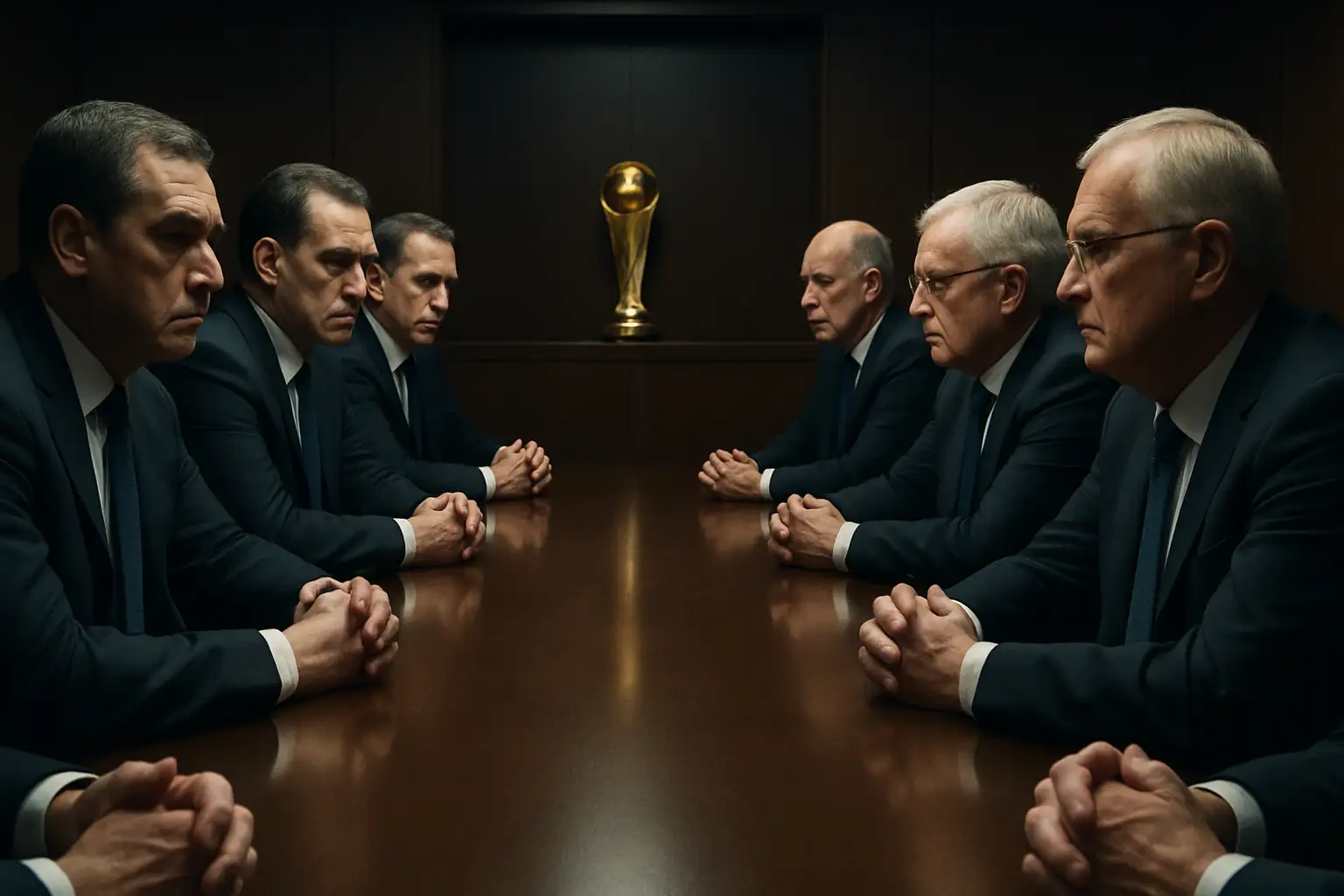


UEFA Stands Firm on World Cup Boycott After Infantino Showdown
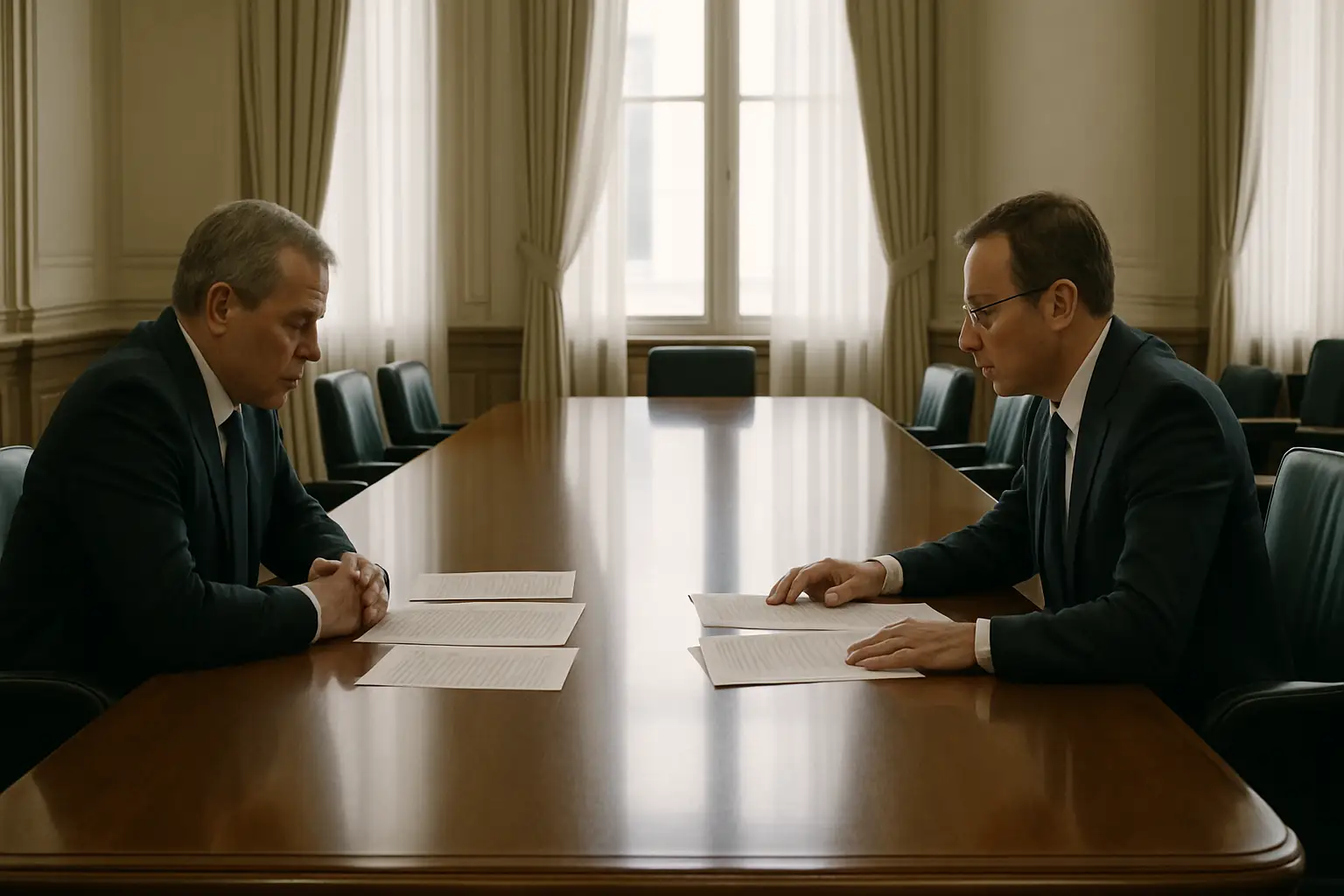
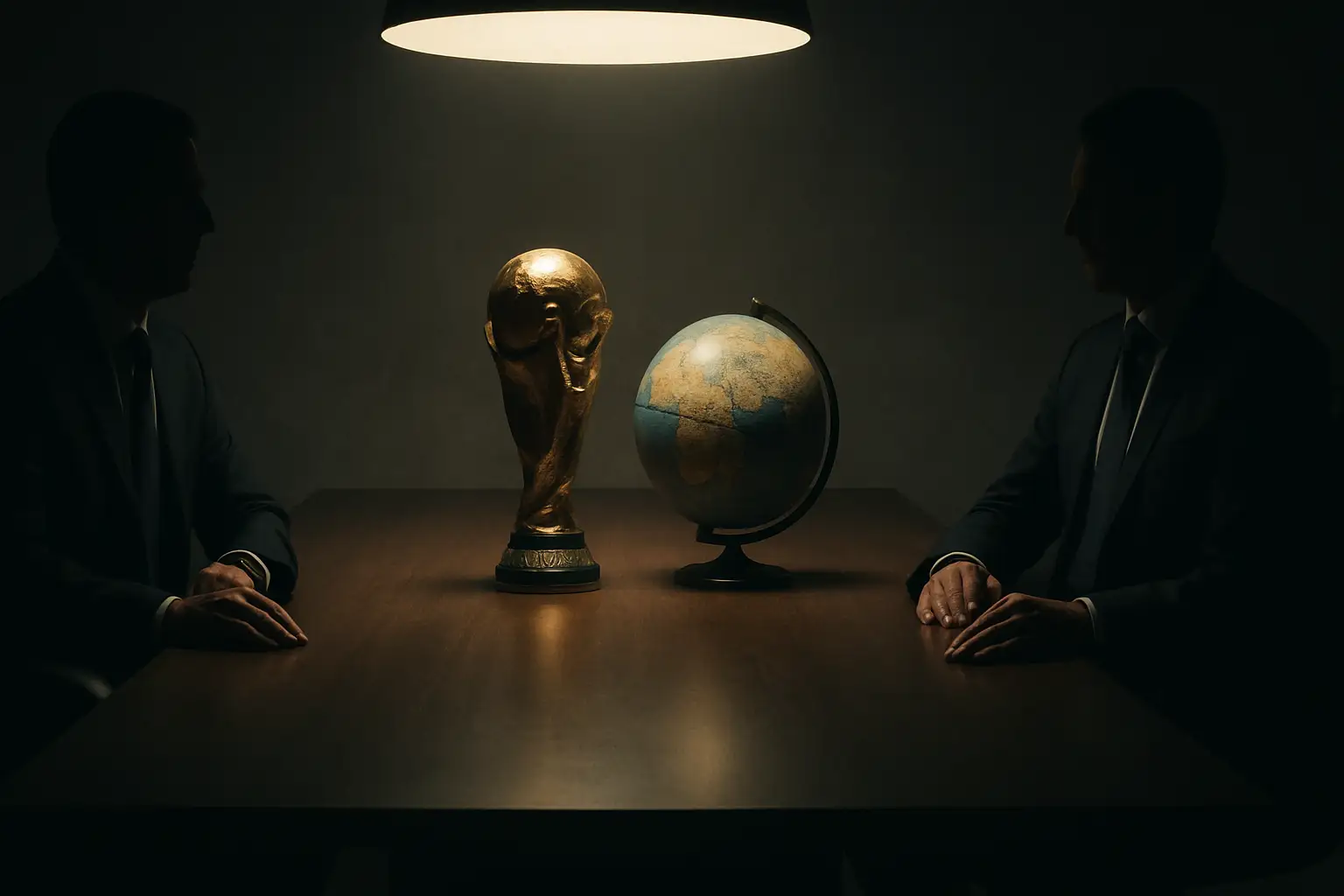
Europe's football governing body, UEFA, is holding firm on its threat to boycott the World Cup after a crisis meeting with FIFA president Gianni Infantino failed to fully resolve the deepening rift between the two organizations, according to reporting by the Toronto Star.
The standoff marks one of the most serious tensions between UEFA and FIFA in recent memory. Rather than softening its position following the talks with Infantino, UEFA emerged from the meeting with its boycott threat intact, signaling that European football's leadership is not prepared to simply fall in line.
The stakes could hardly be higher. A UEFA-led boycott of a World Cup would strip the tournament of most of its strongest national teams and fundamentally undermine the event's global appeal.
What Triggered the Crisis
The dispute centers on governance issues and the direction FIFA has taken under Infantino's leadership. European federations have grown increasingly frustrated with decisions coming out of FIFA headquarters, and that frustration has now boiled over into open confrontation.
Infantino convened the crisis meeting in an apparent effort to defuse the situation and bring UEFA back onside. However, the talks did not produce the breakthrough FIFA may have been hoping for. UEFA's position after the meeting remained unchanged, keeping pressure on FIFA to address the concerns European football officials have raised.
The Toronto Star, which first reported on the outcome of the meeting, noted that UEFA's resolve appears firm despite the direct intervention by Infantino himself.
Why This Matters for World Football
A credible boycott threat from UEFA is not something FIFA can easily dismiss. European nations have historically been among the most successful at the World Cup, and their absence would reshape the tournament beyond recognition.
Beyond the sporting dimension, European clubs and leagues generate enormous broadcast revenue and commercial interest. Any serious fracture between UEFA and FIFA carries financial consequences that would ripple well beyond the pitch.
The crisis also highlights a broader question about how FIFA governs world football and whether Infantino's leadership style has created fault lines that are now becoming very difficult to paper over. UEFA's willingness to keep a boycott threat on the table is a signal that European football officials believe they have leverage, and they intend to use it.
How FIFA responds in the coming weeks will go a long way toward determining whether the standoff can be resolved before it escalates further.


Football Correspondent
Alex covers football and the global game with fast, sharp analysis.