Feds Seize $33M in Fake FIFA World Cup Goods at US Borders
US federal authorities intercepted roughly $33 million worth of counterfeit FIFA World Cup merchandise at the country's borders, a major enforcement push ahead of the tournament.
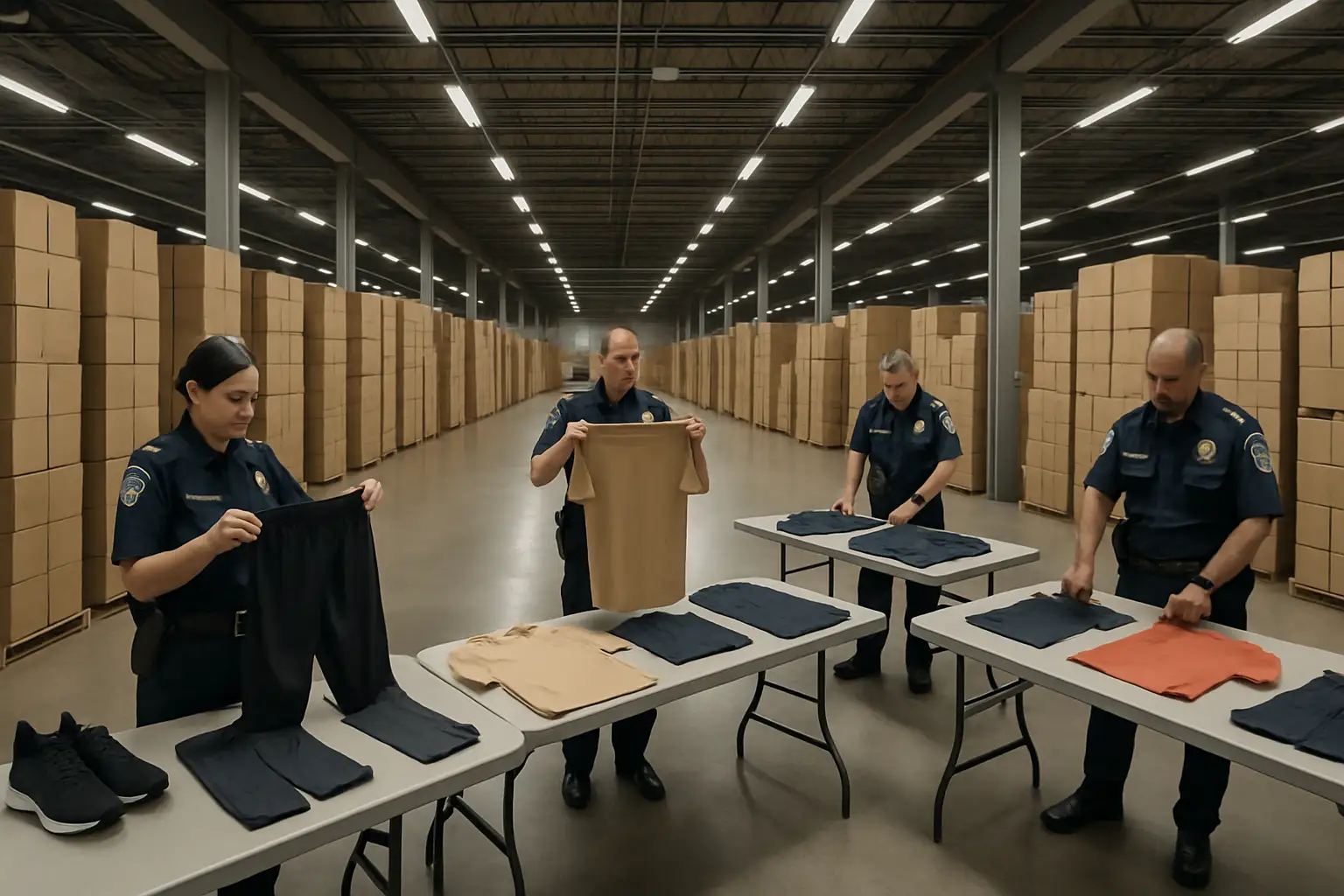


Federal agents have intercepted an estimated $33 million in counterfeit FIFA World Cup merchandise at United States border crossings, according to reporting by KBTX News 3. The bust ranks among the largest seizures of fake football goods in recent US enforcement history and signals how aggressively authorities are moving to protect official World Cup licensing ahead of the tournament.
The haul included a wide range of knockoff products bearing World Cup branding, from jerseys and scarves to other fan merchandise, all produced without authorization from FIFA or its licensed partners.
Scale of the Counterfeit Operation
A $33 million street-value seizure points to a well-organized supply chain. Counterfeit sporting goods at this scale typically involve overseas manufacturing, container shipping, and distribution networks set up to flood local markets once goods clear customs. US Customs and Border Protection agents, working alongside other federal partners, identified and pulled the shipments before they could reach American consumers or street vendors.
Major sporting events have long attracted counterfeit operations. Bootleg merchandise undercuts official retailers, deprives host nations and governing bodies of licensing revenue, and often exposes buyers to products that fail basic safety standards. The FIFA World Cup, one of the most commercially valuable events on the planet, is a particularly attractive target for counterfeiters.
Why Enforcement Is Ramping Up
With the FIFA World Cup set to be hosted across the United States, Canada, and Mexico, federal agencies have been putting extra resources into intellectual property enforcement. The closer the tournament gets, the higher the demand for official gear, and that demand creates a ready market for cheap knockoffs.
Authorities typically coordinate with FIFA's own legal and anti-counterfeiting teams, which maintain lists of registered trademarks and official licensees. When a shipment arrives at a port carrying unlicensed goods using protected logos, marks, or tournament imagery, agents have grounds to seize the cargo and pursue charges against importers.
Penalties for trafficking counterfeit goods in the United States can include significant fines and prison time under federal trademark and copyright law.
What It Means for Fans
For supporters planning to buy World Cup gear, the takeaway is straightforward: counterfeit merchandise is not just a legal problem for sellers. Buyers can end up with items made from substandard materials, and purchasing fake goods financially harms the players, clubs, and organizers whose likenesses and branding appear on the products.
Official merchandise is available through FIFA's licensed retail channels, major sporting goods retailers, and verified online stores. If a deal looks too good, it probably involves counterfeit stock.
The $33 million seizure reported by KBTX News 3 is a reminder that enforcement agencies view IP protection around the World Cup as a serious priority, not a secondary concern. Expect further interdictions as the tournament draws closer and demand for World Cup products peaks.


Football Correspondent
Alex covers football and the global game with fast, sharp analysis.