FIFA's $20 Billion World Cup: Could Private Investors Take a Stake?
FIFA is weighing whether private capital could take a stake in the World Cup, one of sport's most valuable properties, in a deal that could reshape football's financial future.



The $20 Billion Question Hanging Over Football
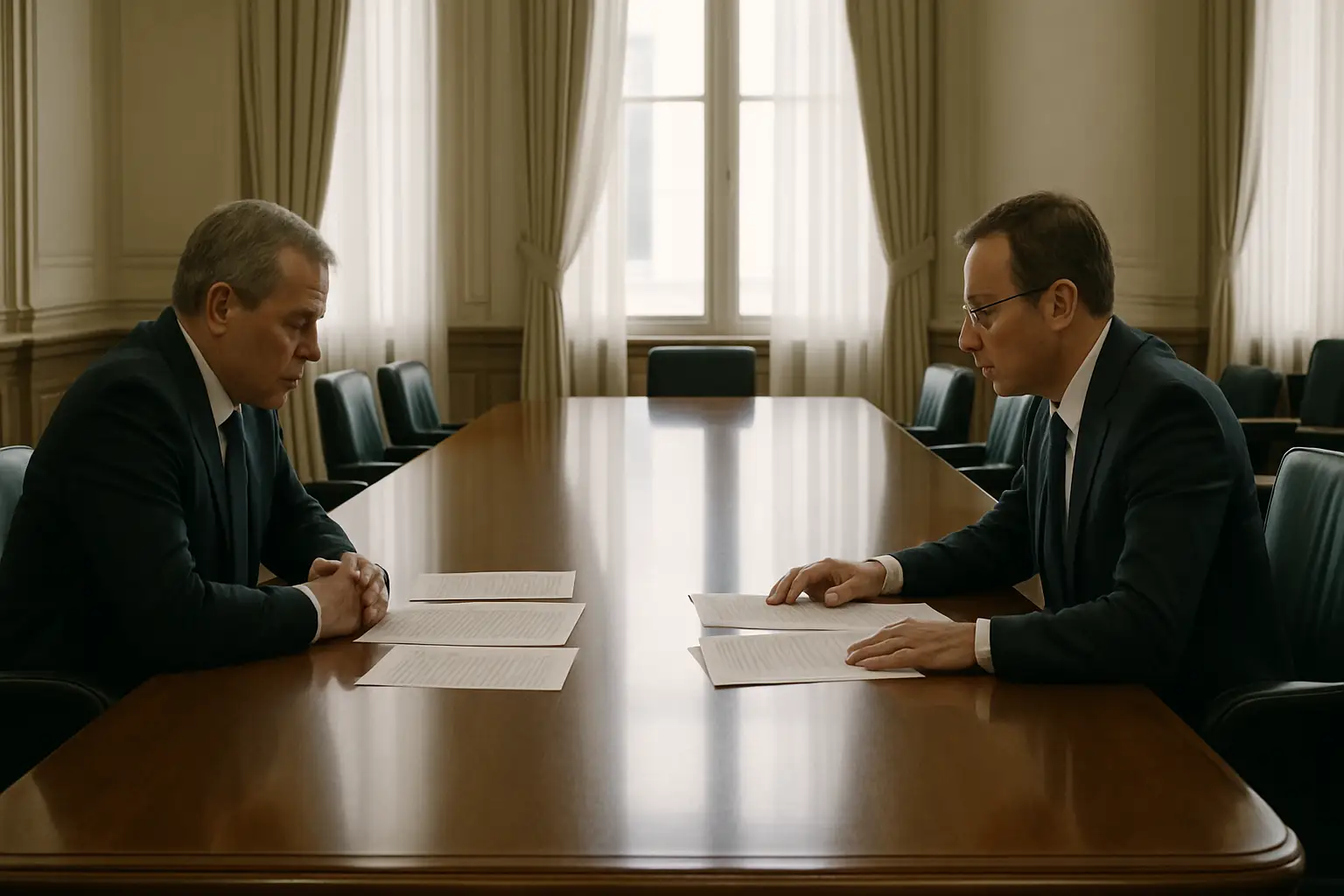
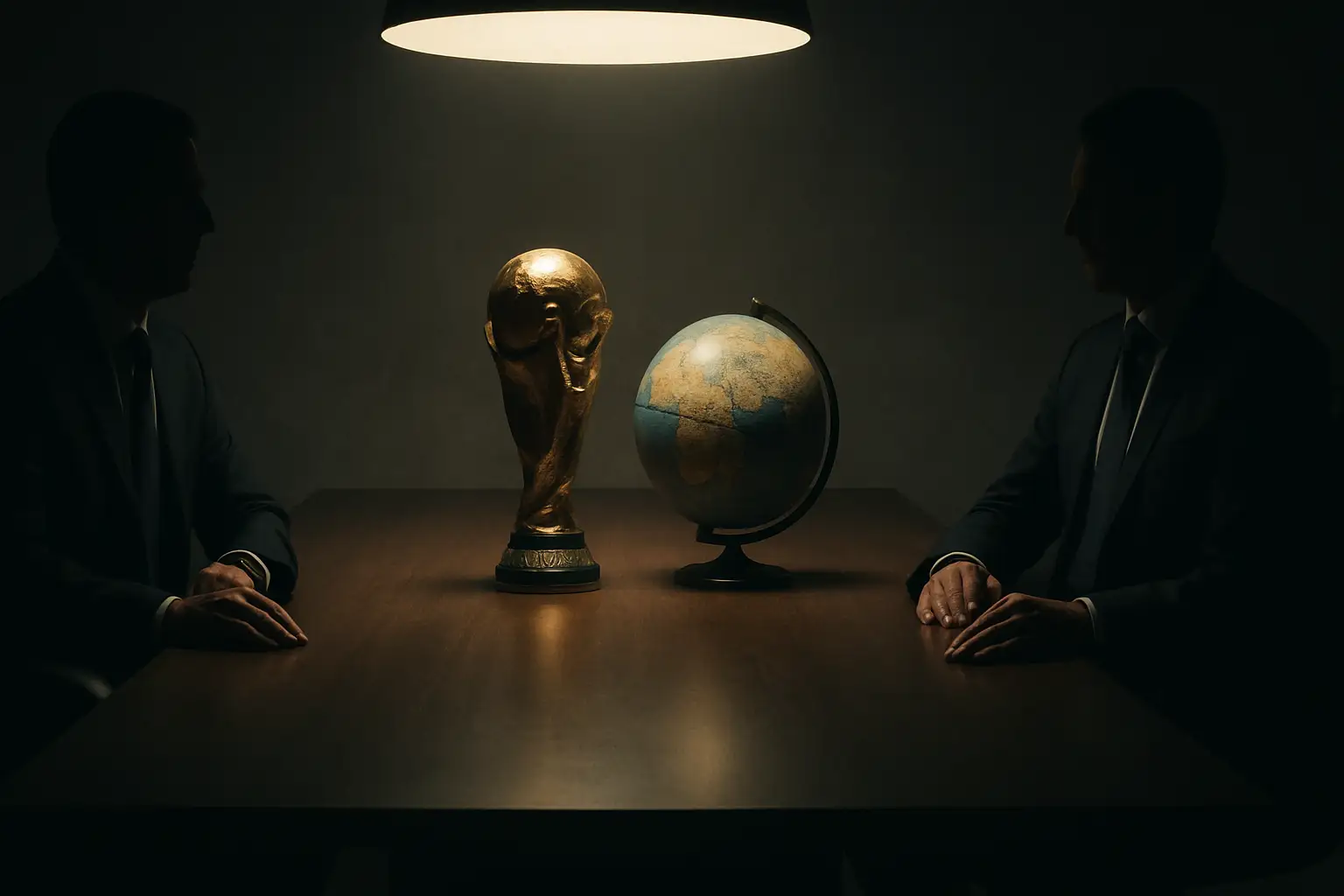
FIFA's World Cup is one of the most commercially powerful sporting events on earth, and now a fundamental question is being raised: could private investors own a piece of it? According to reporting by Forbes, the governing body is confronting a potential deal valued in the region of $20 billion that would bring outside capital into a tournament long held exclusively under FIFA's non-profit umbrella.
The idea is significant. The World Cup generates billions in broadcast rights, sponsorship agreements, and licensing revenue every four years. Bringing in private equity or sovereign wealth money would mark a structural shift in how world football's premier event is financed and governed.
FIFA has not been alone in exploring this path. Several major sports federations and leagues around the world have already sold minority stakes to private investors, arguing that outside capital accelerates commercial growth. Formula 1, for example, was transformed after Liberty Media acquired it. European club football has seen private equity circle tournaments and league structures with increasing intensity over recent years.
What Private Ownership Could Mean for the World Cup
The mechanics of any such deal matter enormously. A private stake in World Cup revenues would likely mean investors receive a portion of future commercial income in exchange for upfront capital. That money could fund FIFA's broader football development programs, infrastructure investment, or simply strengthen the organization's balance sheet ahead of the expanded 48-team World Cup in 2026.
Critics of such arrangements argue that handing any share of the World Cup's financial engine to profit-driven investors creates a tension with FIFA's stated mission to develop football globally. Revenue that might otherwise flow to member federations or grassroots programs could instead service returns to private backers.
Proponents counter that a properly structured deal does not reduce the overall pool of money available to football. If a $20 billion valuation unlocks fresh capital, the argument goes, FIFA could actually invest more in development while investors profit from future commercial growth.
The governance questions are equally complex. FIFA already operates under intense scrutiny following corruption scandals that reshaped the organization through the mid-2010s. Introducing private shareholders, even as minority stakeholders with no voting rights, would invite fresh debate about accountability and transparency.
Timing and the 2026 World Cup Factor
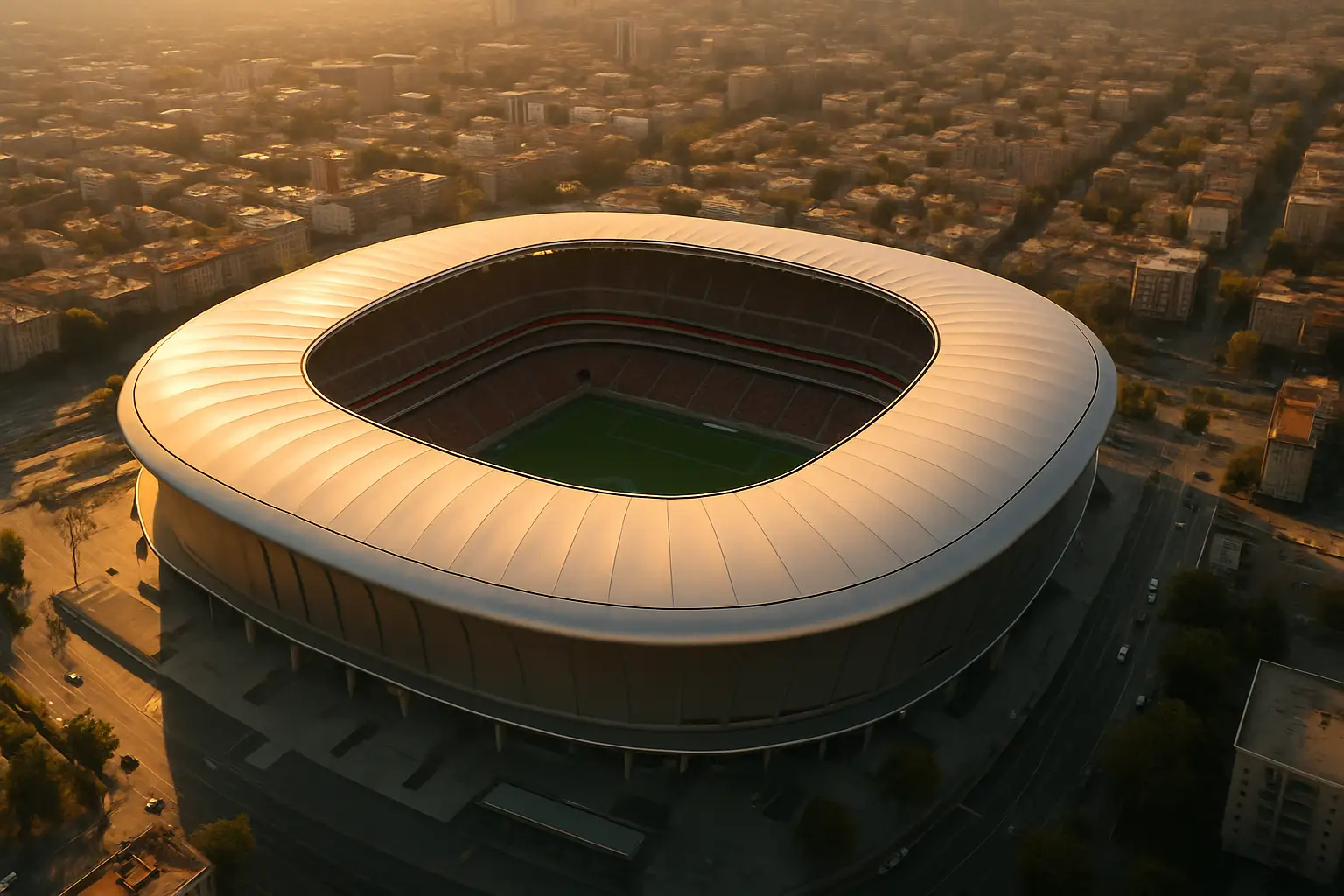
The timing of these discussions is not accidental. The 2026 World Cup, co-hosted by the United States, Canada, and Mexico, is expected to be the most commercially lucrative edition in the tournament's history. An expanded format with 48 teams means more matches, more broadcast inventory, and more sponsorship opportunities. That makes the underlying asset more attractive to outside investors right now than it has ever been.
Forbes reported the $20 billion figure as a reflection of the tournament's estimated commercial value, underlining just how large the prize has become. For context, that figure rivals the enterprise value of some of the world's most prominent sports franchises and leagues.
FIFA president Gianni Infantino has pushed aggressively to maximize commercial revenues since taking office, expanding competitions and pursuing new broadcast markets. Whether that commercial ambition extends to welcoming private capital into the World Cup's ownership structure remains an open question, but the fact that the conversation is happening at all signals a genuine shift in thinking at the top of world football.
What Happens Next
No deal has been confirmed, and FIFA has not publicly detailed any agreement or formal process. The Forbes report frames this as an active question rather than a concluded negotiation. But the very existence of the discussion reflects broader trends across global sport, where governing bodies that once resisted outside investment are now treating it as a credible option.
For fans, the concern is straightforward: does private money change the game itself? Historically, the World Cup's scheduling, format, and host selection have been contentious enough without the added layer of investor interests. Any structure that ties commercial decisions to financial returns for outside parties would face scrutiny from member federations, players' unions, and supporters' groups alike.
What is clear is that the World Cup, valued at $20 billion and growing, is too large an asset for these questions to stay theoretical for long.


Football Correspondent
Alex covers football and the global game with fast, sharp analysis.