How the FIFA World Cup Has Shifted American Views on Soccer
The FIFA World Cup has long been a flashpoint for debates about soccer's place in American sports culture. Is the needle finally moving?


Americans and Soccer: A Complicated History
The FIFA World Cup returns to North American soil in 2026, and the question being asked in newsrooms and sports bars alike is whether the tournament has genuinely changed how Americans think about soccer, or whether the sport remains a curiosity that peaks every four years and fades.
For most of the 20th century, soccer occupied a fringe position in the American sports landscape. Football, basketball, baseball, and hockey dominated broadcast schedules, sponsorship dollars, and cultural conversation. Soccer was what kids played on Saturday mornings, not what adults watched on Sunday afternoons.
That picture has shifted, slowly but measurably, and the World Cup is one of the clearest drivers of that change, according to reporting by CU Independent.
World Cup Moments That Moved the Dial
The 1994 World Cup, hosted across nine American cities, introduced millions of U.S. fans to the tournament at home. Attendance records were broken, and for a brief window, soccer felt mainstream. The U.S. men's national team's run to the Round of 16 gave casual fans a reason to care.
The 2014 and 2018 tournaments told two very different stories. In 2014, the U.S. again reached the knockout stage, and ratings for the Portugal match drew around 18 million viewers on ESPN, numbers that rivaled major NFL playoff games. Then in 2018, the U.S. failed to qualify entirely, a result that stung but also, for a growing base of committed fans, demonstrated how much the sport had come to matter.
Major League Soccer has expanded steadily since its founding in 1996, now fielding 30 clubs with more on the way. The arrival of high-profile international players has pushed the league into mainstream sports coverage in a way that felt impossible two decades ago.
Younger Fans and a Changing Sports Diet
Demographics are doing some of the work that broadcasting deals alone cannot. Younger Americans, particularly those under 35, consume sports differently. Streaming has broken down the old broadcast hierarchies that kept soccer off prime-time television for so long. Liga MX, the Premier League, and Champions League matches are now accessible in ways they simply were not a generation ago.
Hispanic and Latino communities in the United States have long maintained deep soccer cultures, and as those communities grow, their influence on national sports habits grows with them. The World Cup is not a novelty event for a large share of the American population. It is the most important sporting event in the world, full stop.
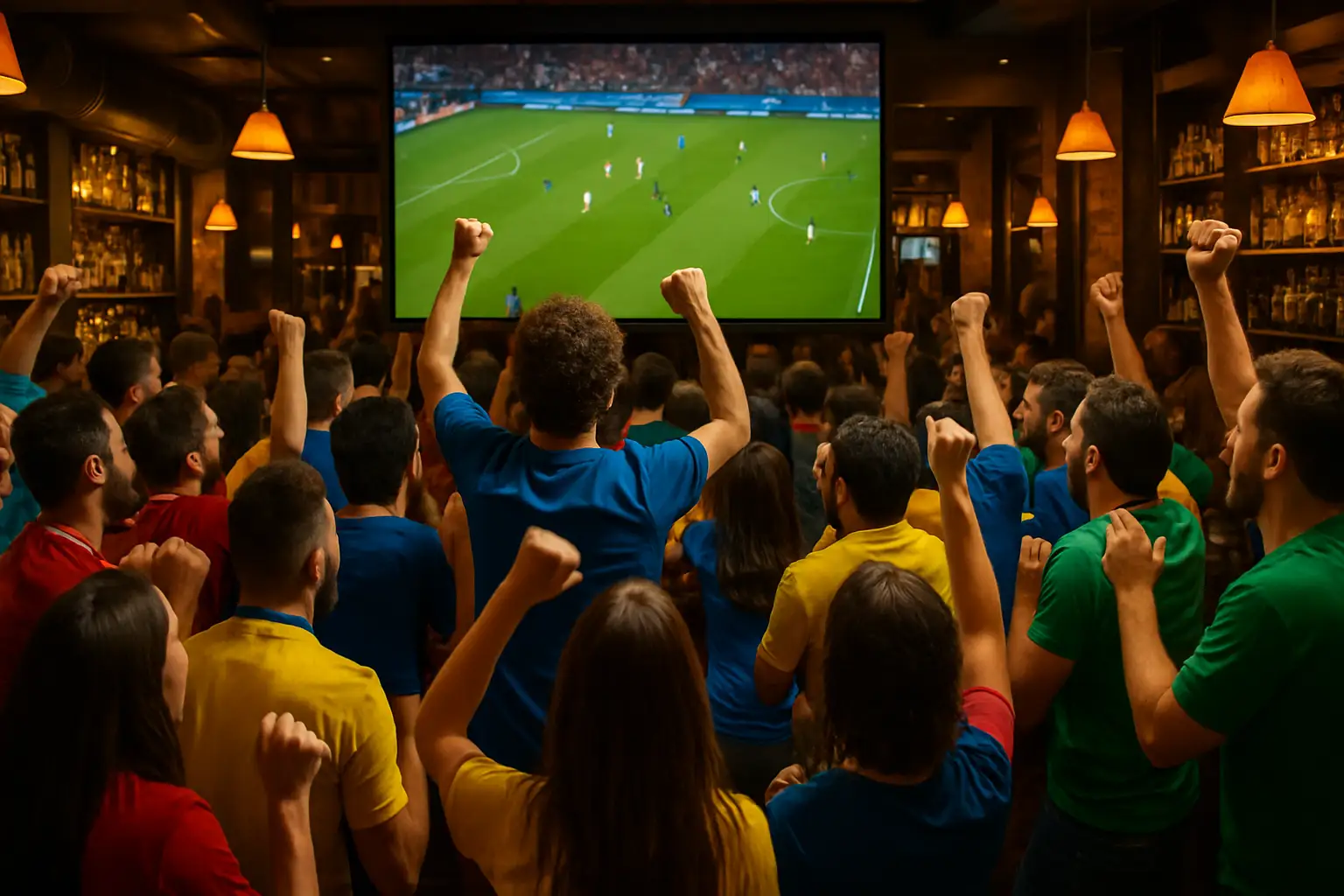
What has changed is that this view is spreading beyond communities where it was always held. Bars that once showed only NFL Sunday Ticket now open at 7 a.m. for Champions League knockouts. Youth soccer participation in the U.S. has remained consistently high for decades, and those players eventually become adult viewers.
What 2026 Could Mean
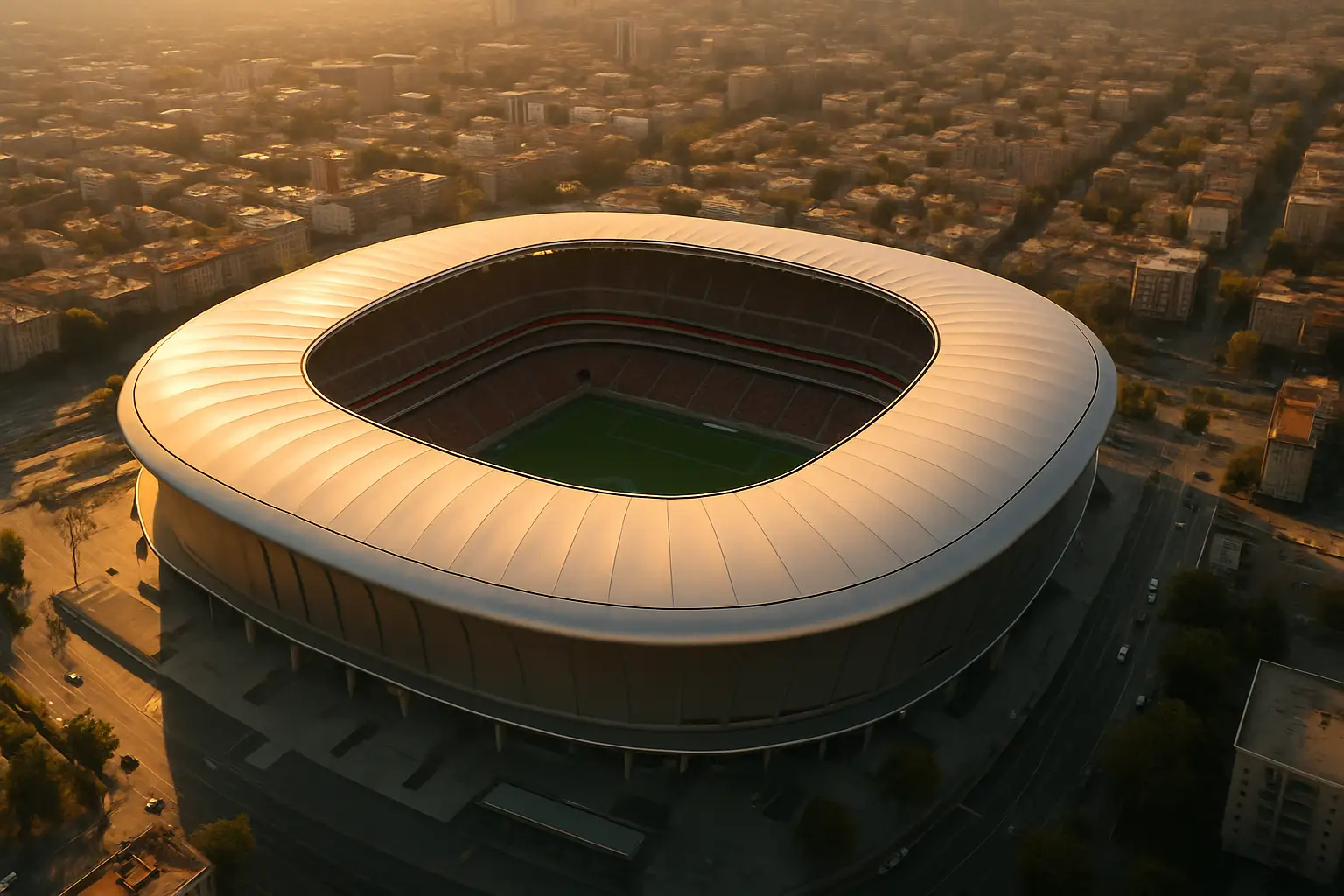
The 2026 FIFA World Cup, co-hosted by the United States, Canada, and Mexico, is shaping up to be the largest test yet of how far American soccer culture has traveled. Sixteen host cities are scheduled across the three countries, with the final set for MetLife Stadium in New Jersey.
The commercial stakes are enormous. Sponsors are betting that the tournament will outperform any previous soccer event on American soil. Broadcasters are building out their coverage infrastructure with the assumption that demand will be there.
Whether the U.S. men's national team performs well will matter. A deep run by the home side would almost certainly accelerate mainstream interest in a way that is hard to manufacture artificially. But even without a fairy-tale result, the infrastructure being built around the event, from stadium upgrades to fan zones to youth programs tied to the tournament, suggests that organizers are not planning for a one-time spike in interest.
The honest answer to whether the World Cup has changed how Americans see soccer is: partly, and unevenly. For a committed and growing minority, the sport already sits alongside the NFL and NBA in their personal sports hierarchy. For a larger casual audience, the World Cup remains appointment viewing that does not yet translate into sustained attention during non-tournament years. Closing that gap is the real project, and 2026 is the biggest opportunity yet to make progress on it.


Football Correspondent
Alex covers football and the global game with fast, sharp analysis.