FIFA's World Cup Expansion Plan Fuels UEFA Row and Global Debate
FIFA's proposals to reshape the World Cup format have triggered a sharp dispute with UEFA and ignited debate across the global football community.



FIFA's World Cup Vision Puts It on a Collision Course With UEFA
FIFA's World Cup expansion plans have become one of the most contested issues in international football, drawing a fierce response from UEFA and sparking widespread debate among clubs, federations, and supporters around the world.
At the center of the dispute is FIFA's push to restructure how the World Cup is organized and scheduled. The governing body has been pressing ahead with ideas that would significantly alter the tournament's footprint, but European football's governing body has pushed back hard, arguing the plans threaten the existing football calendar and the interests of clubs and players in its member nations.
The tension between FIFA and UEFA is not new, but the current disagreement has reached a level of intensity that is difficult to ignore. European clubs already carry some of the heaviest fixture loads in world football, and UEFA has repeatedly warned that adding more high-stakes international competition to an already crowded calendar would put players at serious risk of injury and burnout.
What Is FIFA Actually Proposing?
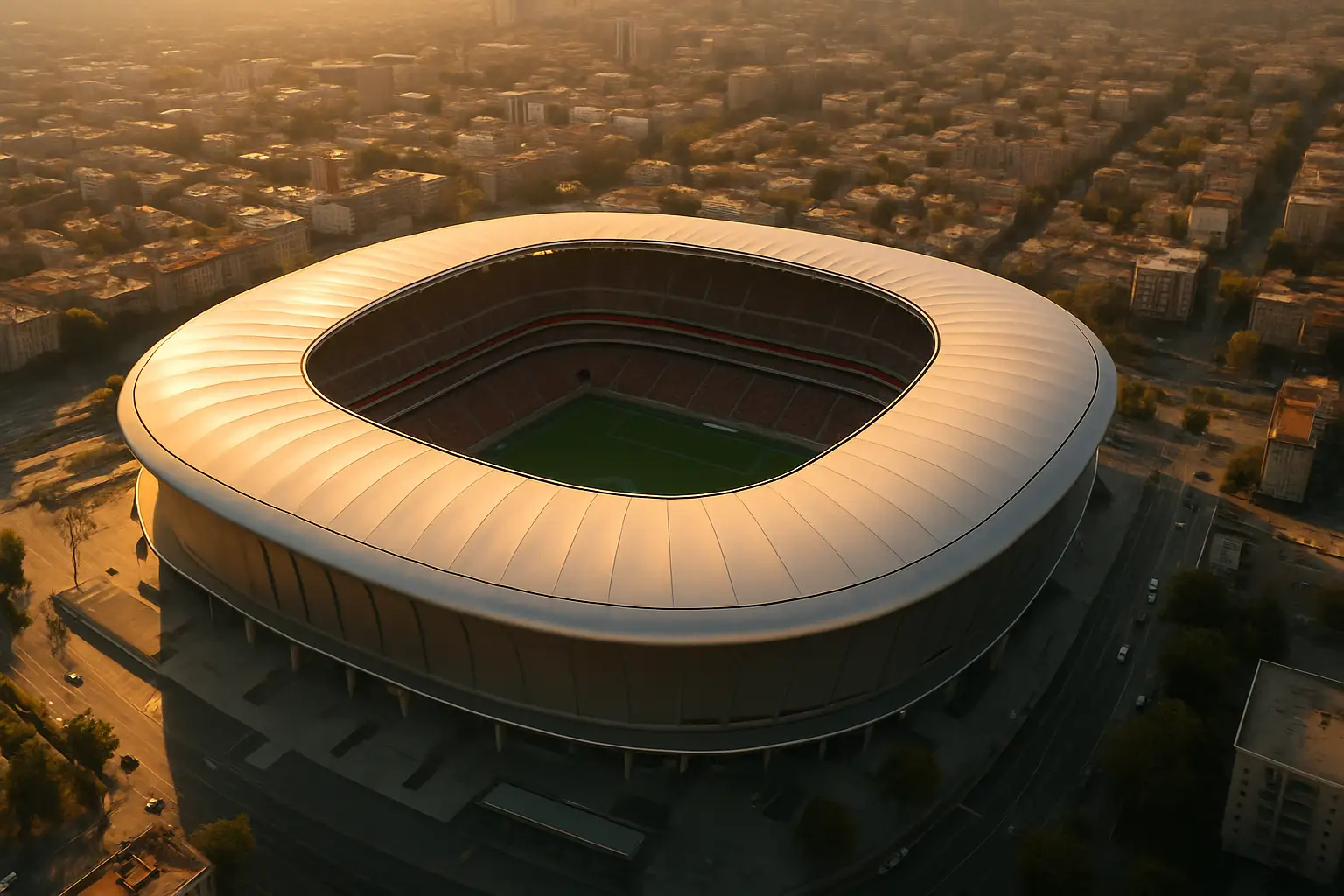
FIFA's broader ambitions for the World Cup have included expanding the number of participating teams and exploring a more frequent tournament cycle. The 2026 World Cup in the United States, Canada, and Mexico will already feature 48 teams, up from the 32-team format that had been standard for decades.
Beyond that, FIFA has floated the idea of staging the tournament every two years rather than every four. That proposal drew particularly fierce opposition from UEFA and from FIFPRO, the global players' union, both of which argued it would devalue the competition and place unsustainable demands on players.
While FIFA has not formally confirmed a biennial World Cup is moving forward, the debate around it has never fully gone away, and the organisation's continued signalling around calendar reform keeps the issue alive.
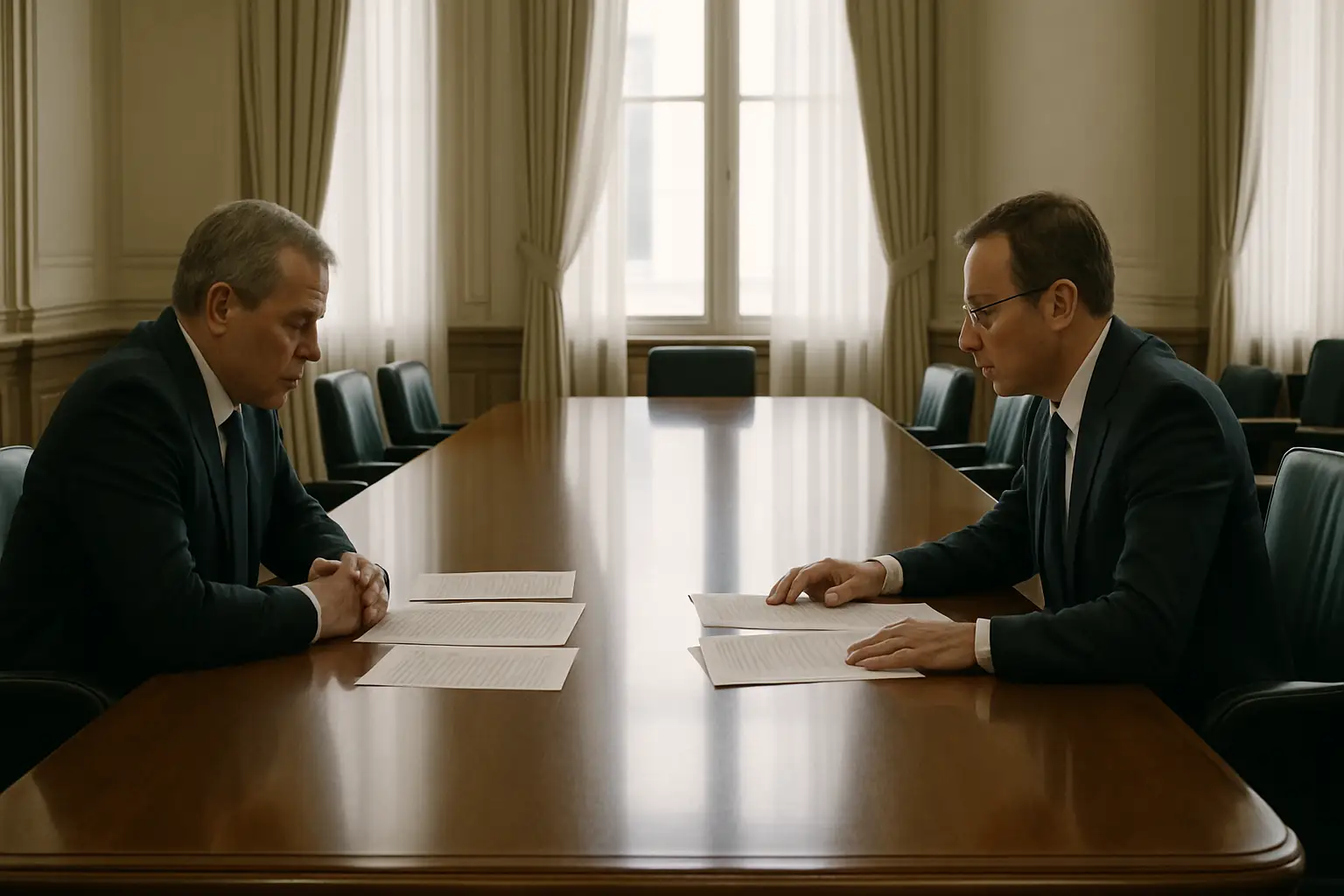
UEFA's position has been consistent: any unilateral move by FIFA to restructure the international calendar without genuine consultation would be met with resistance. European clubs and leagues have significant financial and competitive interests tied to the current schedule, and they have shown little appetite for compromise on terms they consider unfavorable.
A Divide That Reflects Wider Power Struggles
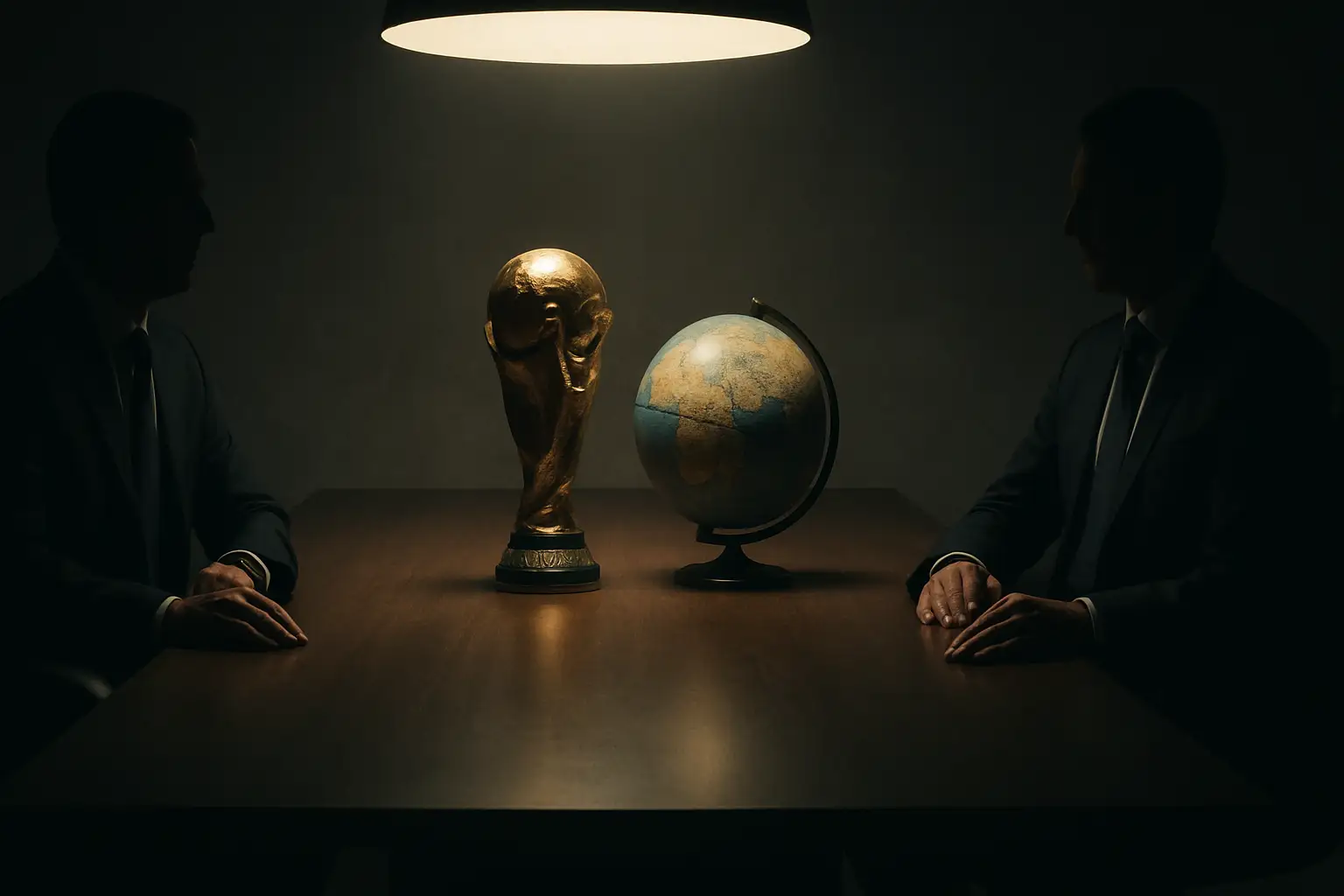
The row between FIFA and UEFA is about more than just match dates. It reflects a deeper contest over who controls the direction of global football.
FIFA draws much of its political support from confederations in Africa, Asia, and the Americas, where more frequent World Cups could offer greater exposure and commercial opportunity for nations that rarely reach the latter stages of the current format. For those federations, expanding the tournament is a matter of inclusion and revenue.
UEFA and its member clubs, by contrast, sit at the top of club football's financial pyramid. The Champions League and domestic leagues across Europe generate revenues that dwarf those of most international competitions outside the World Cup itself. Any change that disrupts that ecosystem is viewed with suspicion.
The result is a governing structure pulled in different directions, with FIFA's president Gianni Infantino consistently pushing for growth and expansion while European stakeholders counsel restraint.
Clubs, Players, and Fans Are Watching Closely
The debate has not stayed within boardrooms. Player unions, supporters' groups, and club executives have all weighed in publicly, reflecting how much is at stake for people throughout the game.
Players have been among the most vocal critics of calendar congestion. Leading footballers have spoken openly about physical exhaustion and the mental toll of a schedule that leaves little room for rest. Adding more mandatory international windows, or compressing a World Cup cycle, would make that situation worse.
Fans are split along more predictable lines. Supporters in regions that have historically been underrepresented at World Cups tend to welcome expansion and more frequent tournaments. European supporters, particularly those loyal to club football, worry about the dilution of both international and domestic competitions.
As reported by OneFootball, the FIFA World Cup plan continues to generate controversy that cuts across every level of the sport. With the 2026 tournament approaching and discussions around future formats ongoing, the fault lines between FIFA and UEFA are unlikely to disappear anytime soon. The outcome will shape what global football looks like for the next generation of players and supporters.


Football Correspondent
Alex covers football and the global game with fast, sharp analysis.