
UEFA and UK Prime Minister Push Back on FIFA World Cup Privatization
UEFA and the UK Prime Minister have come out against FIFA's reported plan to privatize the World Cup, raising concerns about the future of football's biggest tournament.
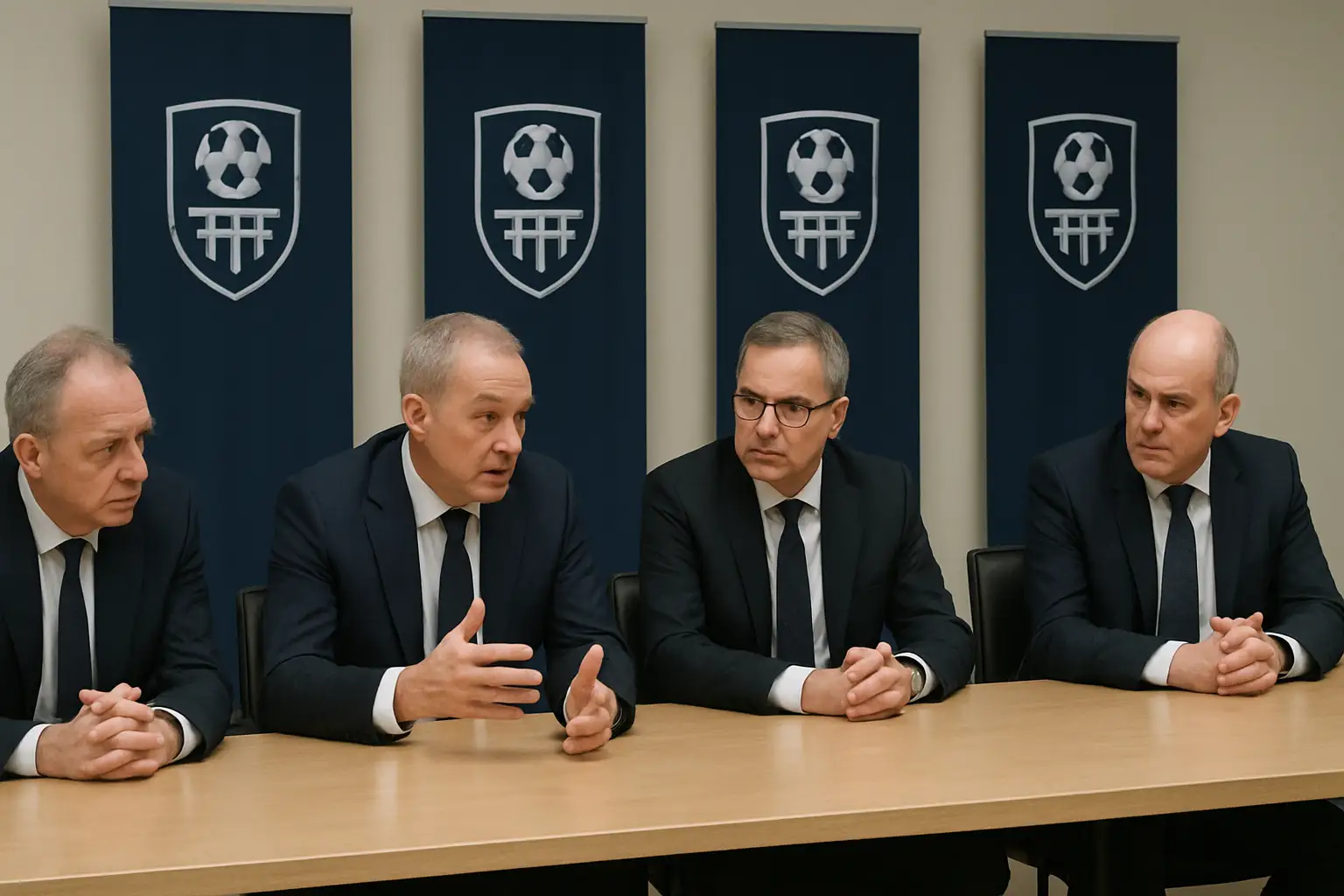


FIFA's Privatization Plan Draws Sharp Criticism
FIFA's reported push to privatize the World Cup has run into significant opposition, with UEFA and the UK Prime Minister both rejecting the idea publicly. The plan, as reported by the Chosun Ilbo, has alarmed football authorities and government officials who see it as a threat to how the sport is governed and how its revenues are distributed.
The World Cup is the most-watched sporting event on the planet. Any move to shift it toward a private ownership or investment model would mark a dramatic departure from how FIFA has historically run the tournament. Critics argue that privatization could concentrate financial power in the hands of a small group of investors, undermining the broader football ecosystem that relies on World Cup income to function.
UEFA Takes a Hard Stance
Europe's governing football body has made its position clear. UEFA views the proposed privatization as a direct challenge to the principles of football solidarity, where revenues flow back to national associations, clubs, and development programs at all levels of the game.
European football has long depended on a share of FIFA's World Cup income to fund grassroots and professional football alike. If private investors were to take a stake in the tournament, the concern is that profit motives would override sporting ones. UEFA's opposition signals that any such proposal would face a fierce institutional battle before getting anywhere near implementation.
This is not the first time FIFA's leadership has floated ambitious financial restructuring ideas. Previous proposals to expand competitions or bring in outside capital have met resistance from European clubs and federations, who worry about losing influence over decisions that affect their competitions and calendars.
UK Government Weighs In
The UK Prime Minister's involvement adds a political dimension that FIFA cannot easily ignore. Government opposition from one of football's most influential nations carries real weight, particularly as the UK and Ireland are set to co-host the 2030 World Cup alongside Spain, Portugal, and Morocco.
A host nation's government taking a public stance against FIFA's financial plans puts the organization in a difficult position. The UK's involvement in future World Cup hosting means its relationship with FIFA matters, and open disagreement at this level is unusual. It suggests the privatization proposal has caused enough alarm to push the issue beyond football boardrooms and into government offices.
The UK has historically been protective of football's public interest dimension, particularly around broadcasting rights and the governance of the national game. A move that could limit public access to the World Cup or hand revenue streams to private entities would likely face legislative as well as sporting resistance.
What Happens Next
FIFA has not publicly confirmed the specifics of any privatization plan, and the details of what is actually being proposed remain limited based on available reporting. But the strength of the reaction from UEFA and a sitting head of government suggests the idea has circulated seriously enough to prompt formal responses.
For FIFA President Gianni Infantino, pushing through structural financial changes has been a recurring theme. Whether this particular initiative moves forward will depend on how much support it can gather among FIFA's member associations, many of whom rely on the organization's redistribution model for their own financial survival.
The opposition from UEFA and the UK government represents a significant early obstacle. Football's power structures are complex, and major changes to how the World Cup is owned or monetized would require broad consensus that, based on current signals, is far from guaranteed.


Football Correspondent
Alex covers football and the global game with fast, sharp analysis.