FIFA World Cup Sell-Off Plan Reportedly Dead
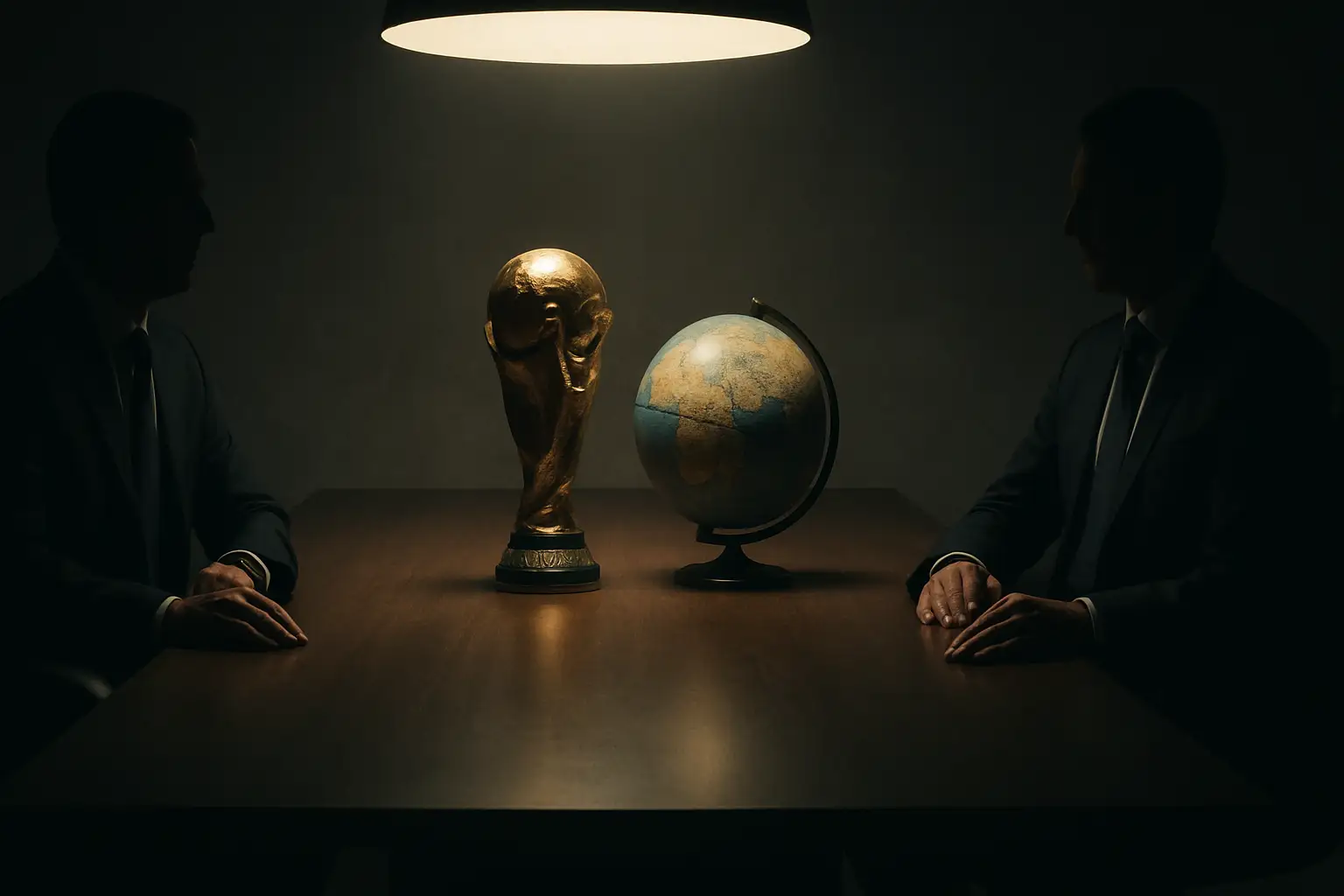
Plans to commercialize or sell off rights connected to the FIFA World Cup have reportedly collapsed, according to a report by The Straits Times.



Reports citing The Straits Times indicate that a plan to sell off assets or commercial rights linked to the FIFA World Cup has been shelved, marking a significant reversal for what had been a closely watched proposal inside global football governance.
The FIFA World Cup sell-off plan, as it has been described, is now reportedly dead - raising fresh questions about how FIFA intends to fund and structure its flagship tournament going forward.
What Was the Plan?
While specific details of the proposal were not made public in full, the reported plan involved some form of commercialization or transfer of rights tied to the World Cup. Such arrangements typically attract interest from sovereign wealth funds, private equity groups, and media conglomerates looking for long-term revenue streams attached to one of sport's most valuable properties.
The World Cup is widely regarded as the most-watched recurring sporting event on the planet, generating billions of dollars in broadcast rights, sponsorship deals, and licensing income across each four-year cycle. Any move to sell or restructure those rights would have carried enormous financial and political consequences for world football.
Why the Plan Has Reportedly Collapsed
The Straits Times reported that the sell-off plan is no longer moving forward, though the precise reasons behind the decision have not been publicly confirmed by FIFA itself. Proposals of this kind often face resistance from member federations, sponsors, and broadcast partners who prefer the current structure of centralized FIFA control over World Cup commercial operations.
Private investment in football governance has also proven controversial in other contexts. Efforts by UEFA and other bodies to attract outside capital have drawn scrutiny from fans, governments, and club officials who worry about profit motives overriding the interests of the sport itself.
FIFA has not publicly commented on the status of the reported plan, and no official announcement confirming or denying the collapse has been issued as of the time of this report.
What It Means for FIFA's Commercial Future
If the sell-off plan is indeed finished, FIFA faces the question of how it will continue expanding its commercial footprint without outside capital. The organization has already moved to grow the World Cup itself, with the 2026 edition in North America set to feature 48 teams for the first time, up from the 32-team format used since 1998.
A larger tournament brings larger revenue potential, but also higher costs for infrastructure, logistics, and broadcast production. FIFA's leadership has consistently pointed to increased commercial partnerships as the mechanism for covering those costs while also distributing more money to member associations.
The death of a sell-off proposal, if confirmed, leaves FIFA relying on its traditional model of sponsorship and broadcast deals negotiated independently for each World Cup cycle. That model has proven durable, but critics have long argued that FIFA could unlock significantly more value through structural reform of how its rights are packaged and sold.
For now, world football's governing body appears set to keep the World Cup's commercial architecture under its direct control, at least until another proposal emerges.


Football Correspondent
Alex covers football and the global game with fast, sharp analysis.