FIFA Revolt Brews as Infantino's World Cup Sell-Off Plan Draws Fire
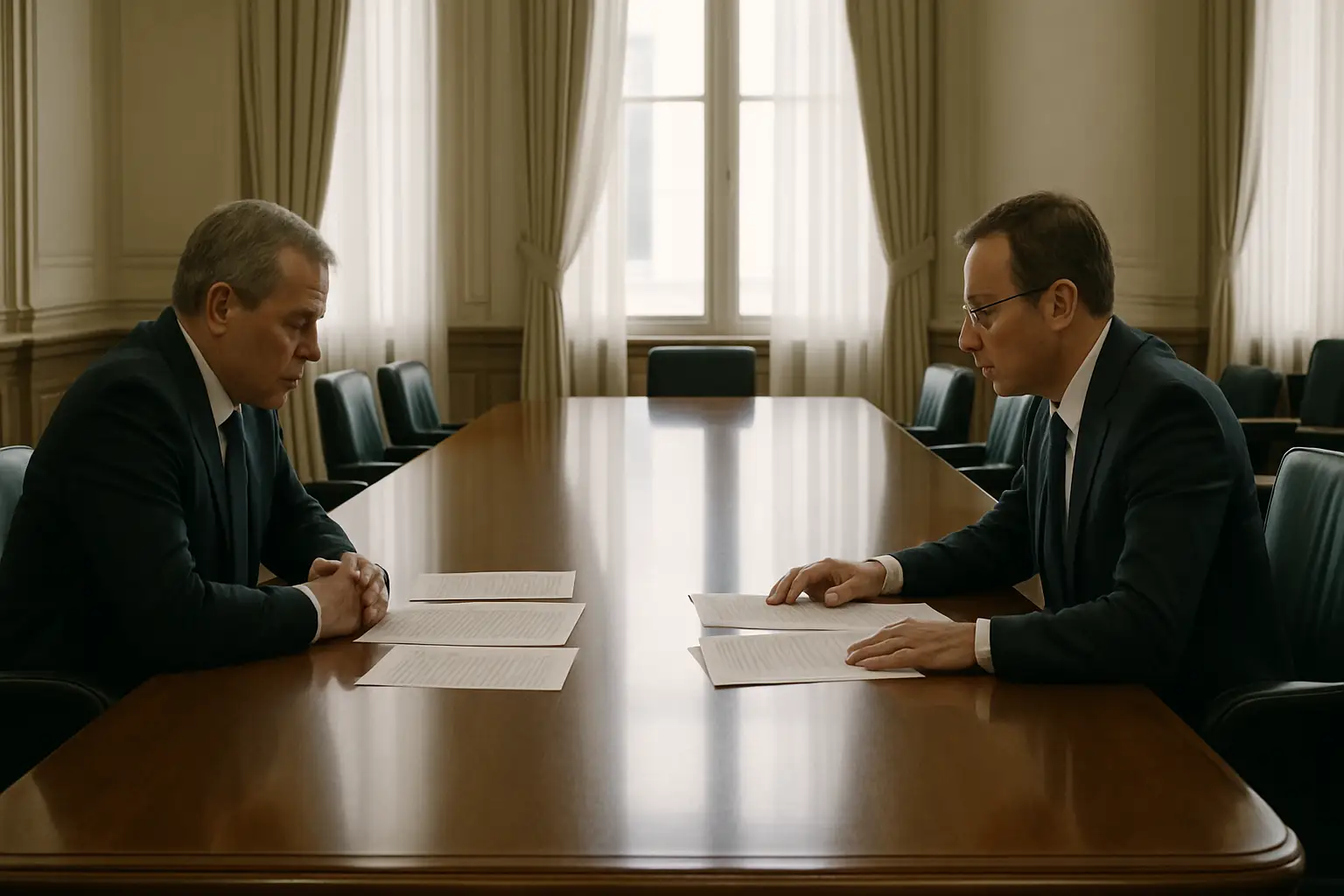
FIFA president Gianni Infantino is facing serious internal opposition after a proposal to commercialize World Cup rights triggered a revolt among member federations.


Infantino's World Cup Plan Puts FIFA on Edge
Gianni Infantino is under mounting pressure from within FIFA after a proposal to sell off commercial rights connected to the World Cup provoked a fierce backlash from member associations, according to reporting by Sport Nation.
The plan, which would effectively hand a degree of control over one of football's most valuable properties to outside commercial interests, has alarmed a significant number of federations who see it as a step too far. For many inside the organisation, the World Cup is not just a revenue stream - it is the core asset that gives FIFA its power and credibility, and diluting ownership of that asset carries risks well beyond the financial.
Infantino has built much of his presidency around ambitious expansion and revenue growth. The 2026 World Cup in North America will feature 48 teams for the first time, and he has pushed hard for new tournaments and broadcasting deals. But this latest proposal appears to have crossed a line for enough federations to create what sources described as a genuine revolt within the governing body.
What the Sell-Off Proposal Involves
While precise details of the plan remain disputed internally, the broad concern is that FIFA leadership is looking to bring in outside investors or commercial partners who would take a stake in World Cup-related revenues or rights. Critics inside FIFA argue this would compromise the organisation's independence and ultimately reduce the share of money flowing back to national associations and development programmes.
The opposition is not coming from one region alone. Federations across multiple confederations are said to be uncomfortable with the direction Infantino is pushing, raising questions about governance and transparency at the top of world football.
For context, FIFA already operates on a colossal commercial scale. The 2022 World Cup in Qatar generated over $7.5 billion in revenue for the organisation, with broadcast rights and sponsorship accounting for the vast majority of that figure. Any move to restructure how those rights are owned or monetised would have consequences stretching years beyond a single tournament cycle.
Internal Opposition and Governance Questions
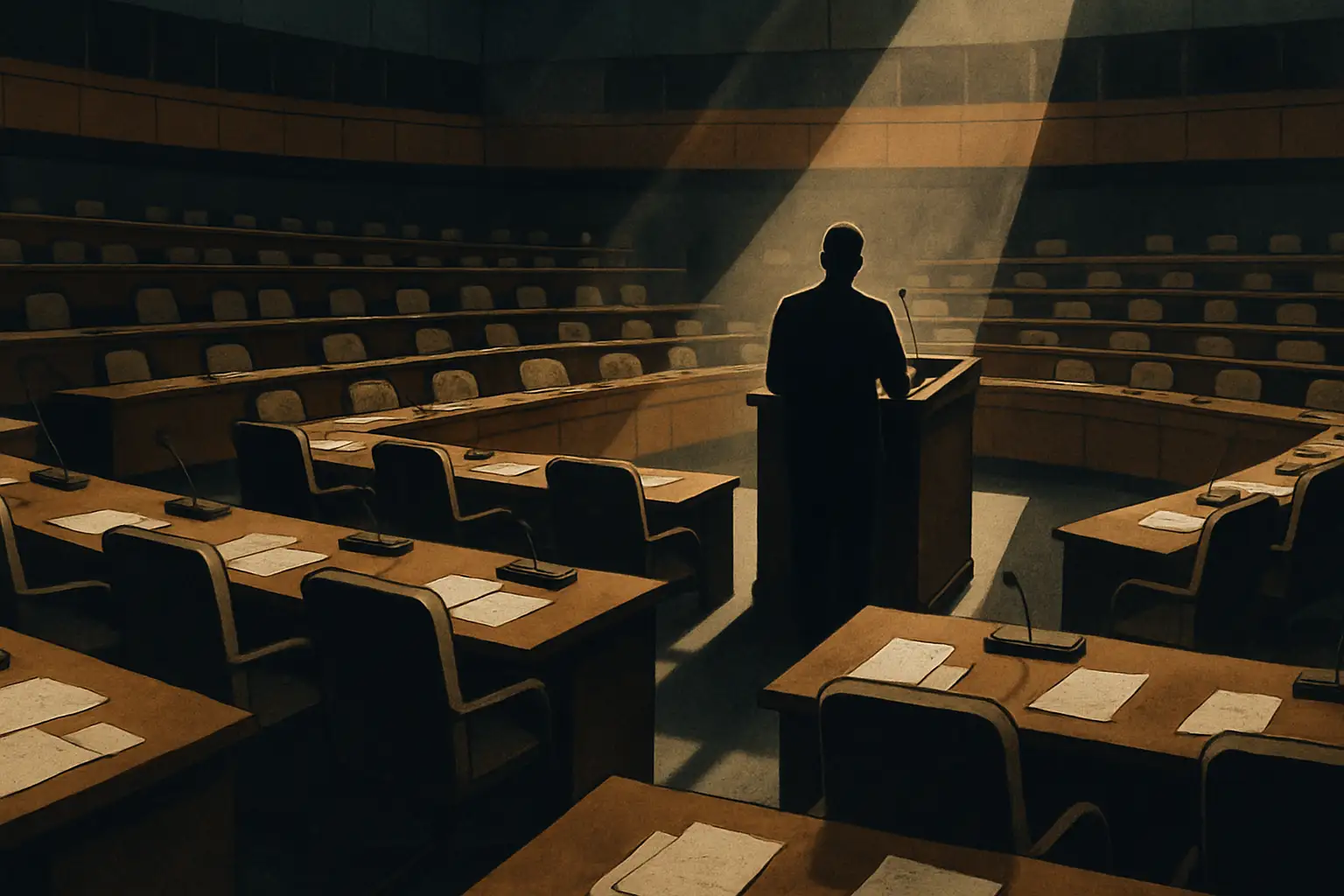
The revolt is significant because FIFA's member federations technically hold collective authority over the organisation's direction. If enough associations push back, Infantino's room to manoeuvre narrows considerably. A formal vote against the proposal at a FIFA Congress would represent a rare and embarrassing defeat for a president who has generally kept member federations onside through a combination of increased funding distributions and political capital.
Critics have also raised broader governance concerns. FIFA has spent years trying to rehabilitate its reputation after the corruption scandals that engulfed the organisation in the mid-2010s. Any perception that commercial decisions are being made without adequate transparency or member consultation risks reopening questions about who really controls world football and in whose interests.
Infantino's office has not publicly detailed the full scope of the proposal, which has added to the tension. When major decisions are floated without clear communication to member associations, suspicion tends to fill the gap quickly.
What Happens Next
The pressure on Infantino is real, but it is not yet clear whether the opposition has the numbers or the coordination to block the plan outright. FIFA's internal politics are complex, and the president has shown a consistent ability to build coalitions, particularly among smaller federations that benefit directly from FIFA's financial distributions.
Still, the scale of the reported backlash suggests this will not pass quietly. Expect the debate to intensify ahead of any formal FIFA Council or Congress meeting where the proposal might be tabled for discussion.
For football fans and the broader sports industry, the outcome matters. The World Cup's commercial structure shapes how money flows through the entire global game, from elite clubs down to grassroots development. A sell-off that concentrates revenue or control outside of FIFA's member-driven model could have long-term consequences that go well beyond Infantino's tenure.


Football Correspondent
Alex covers football and the global game with fast, sharp analysis.