UEFA Threatens FIFA With Legal Action Over World Cup Sell-Off Dispute
UEFA has put FIFA on notice of potential legal action after a plan to sell commercial rights tied to the World Cup collapsed, escalating tensions between the two governing bodies.



UEFA Puts FIFA on Legal Notice
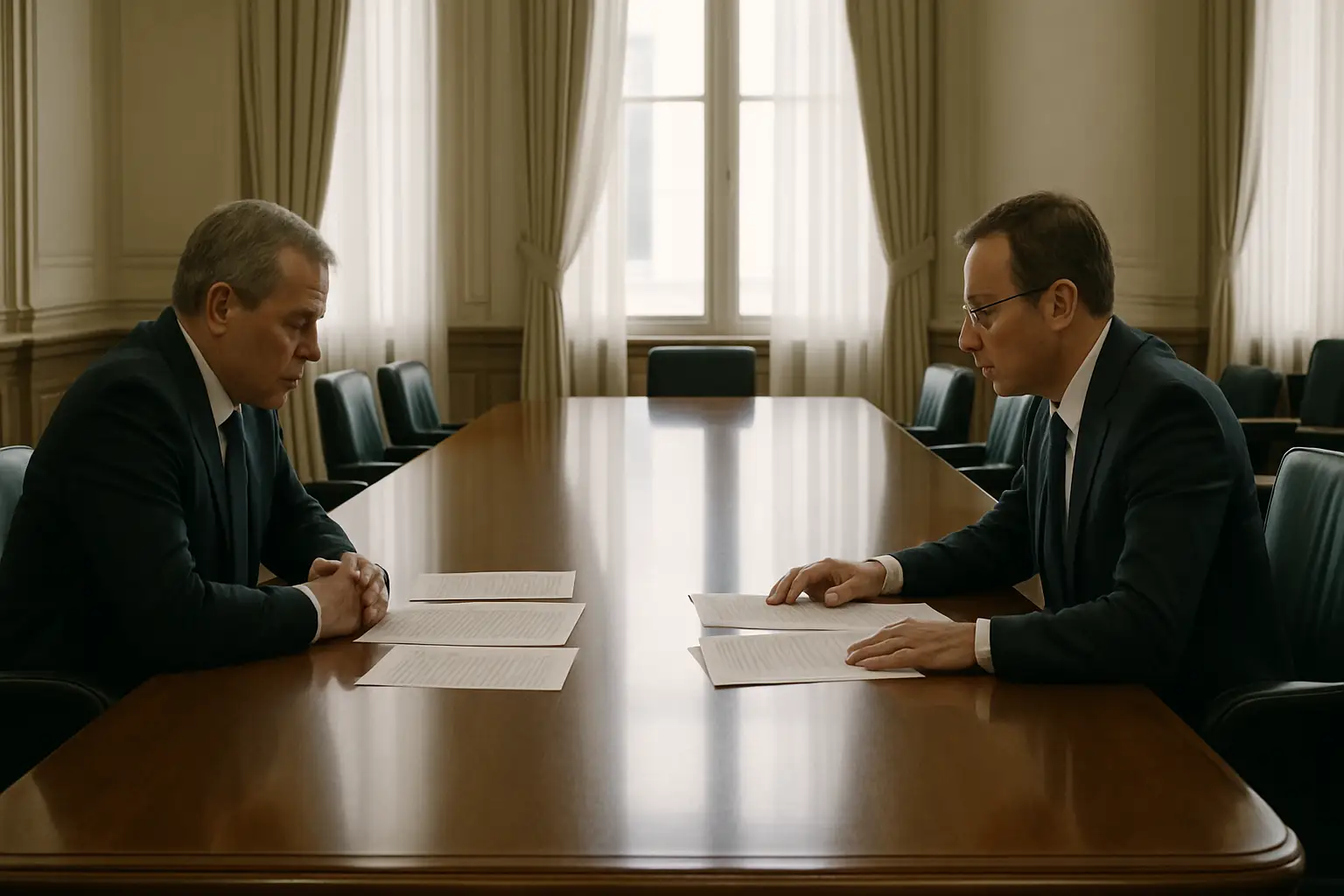
Europe's football governing body, UEFA, has threatened FIFA with legal action following the breakdown of a plan that would have seen FIFA sell off a stake in World Cup commercial rights. According to reporting by 1News, UEFA delivered the warning after the proposed deal failed, signaling a serious deterioration in relations between the two most powerful organizations in world football.
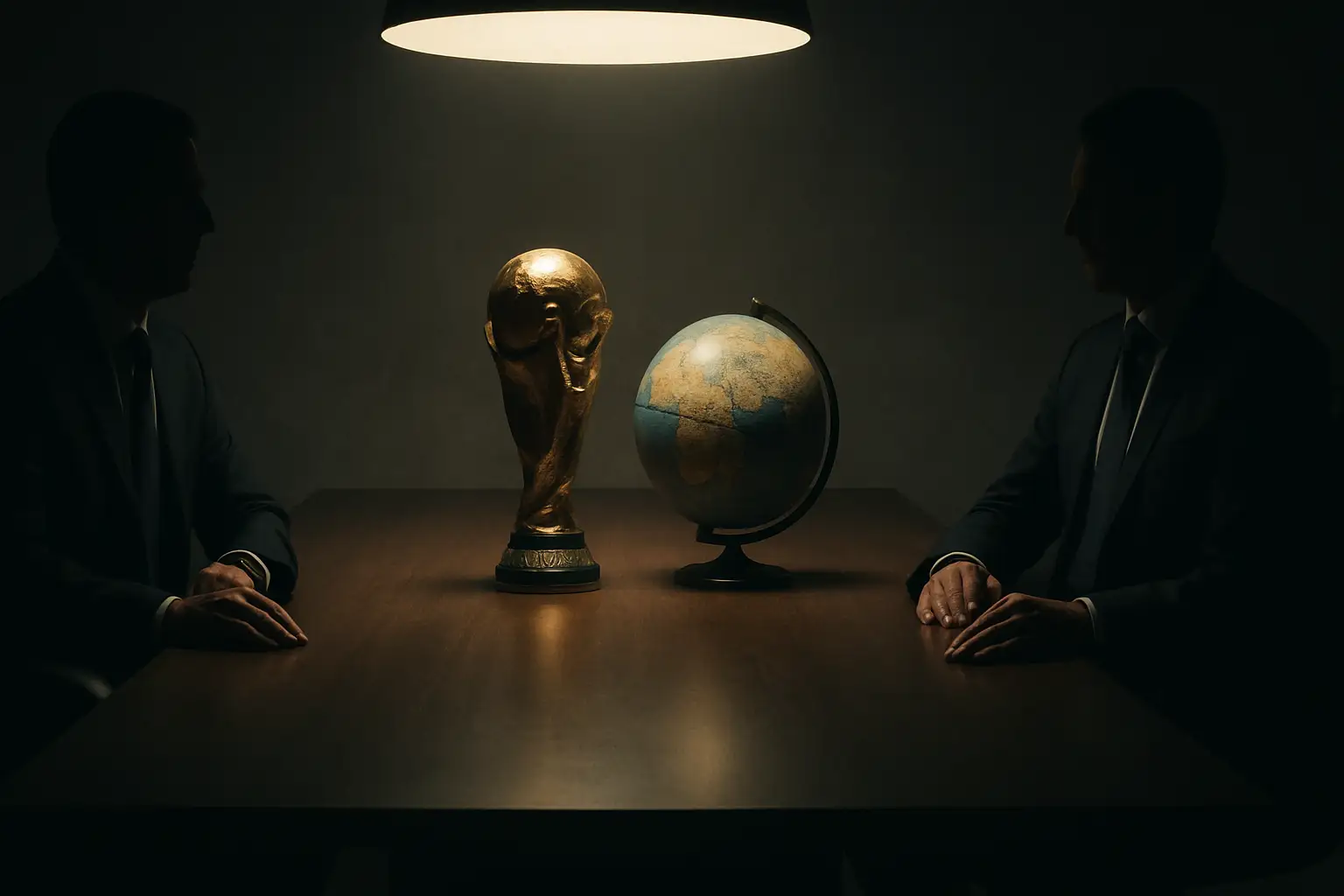
The dispute centers on FIFA's attempt to restructure or sell elements of the commercial operation surrounding the World Cup, the sport's most lucrative property. UEFA's intervention suggests the European body believes its interests, or the broader interests of the game, were not adequately protected during that process.
The threat of legal action is a significant escalation. UEFA and FIFA have clashed before over governance and revenue distribution, but a formal legal warning pushes the conflict into new territory. It raises questions about how World Cup commercial rights are managed and who has a say in decisions that affect the entire football pyramid.
What the Sell-Off Plan Involved
Details about the precise structure of FIFA's proposed sell-off remain limited based on available reporting. What is clear is that the plan did not proceed as FIFA intended, and UEFA moved quickly to signal its objections once the situation became apparent.
Commercial rights tied to the World Cup are worth billions of dollars across broadcast deals, sponsorships, and licensing agreements. Any move to bring in outside investors or transfer control of those rights would have long-term consequences for how revenue flows back to confederations, national associations, and clubs. UEFA, which represents the continent that produces the largest share of World Cup talent and television audiences, has obvious financial and institutional stakes in how those rights are handled.
FIFA under president Gianni Infantino has pursued an aggressive commercial expansion strategy in recent years, including the enlarged 48-team World Cup and the revamped Club World Cup. Critics inside European football have argued that some of those moves prioritize short-term revenue generation over the health of the domestic game.
A Wider Power Struggle in World Football
The legal threat fits into a longer pattern of friction between UEFA and FIFA. European clubs, leagues, and the UEFA administration have repeatedly pushed back against FIFA initiatives they see as overreaching, particularly around the international match calendar and competition formats that compete with established club football.
UEFA president Aleksander Ceferin has been one of the most vocal critics of Infantino's expansion plans. The European Super League saga in 2021, while primarily a club-driven revolt, also exposed deep fault lines over who controls the sport's future direction. A legal confrontation between UEFA and FIFA would be unusual but not without precedent in football governance disputes.
If UEFA were to pursue formal legal proceedings, the case would likely land before the Court of Arbitration for Sport, the Swiss-based body that handles disputes in international sport. Such a process could take months or years to resolve and would keep the underlying commercial disagreement in the public eye for an extended period.
What Happens Next
For now, the warning functions as a pressure tactic. Legal notices of this kind often aim to force negotiations rather than guarantee a courtroom outcome. FIFA will need to respond, either by engaging UEFA directly on the commercial rights question or by defending the legality of its actions.
The timing matters too. FIFA is preparing for the 2026 World Cup, hosted across the United States, Canada, and Mexico, which is expected to generate record revenues. Any unresolved dispute about how those revenues are structured or distributed will create uncertainty for broadcasters, sponsors, and the confederations that depend on World Cup income.
UEFA's move puts down a marker that Europe intends to fight for its share of influence over decisions that shape the game financially. Whether that fight stays in boardrooms or moves to arbitration will depend on how FIFA chooses to respond in the coming weeks.


Football Correspondent
Alex covers football and the global game with fast, sharp analysis.