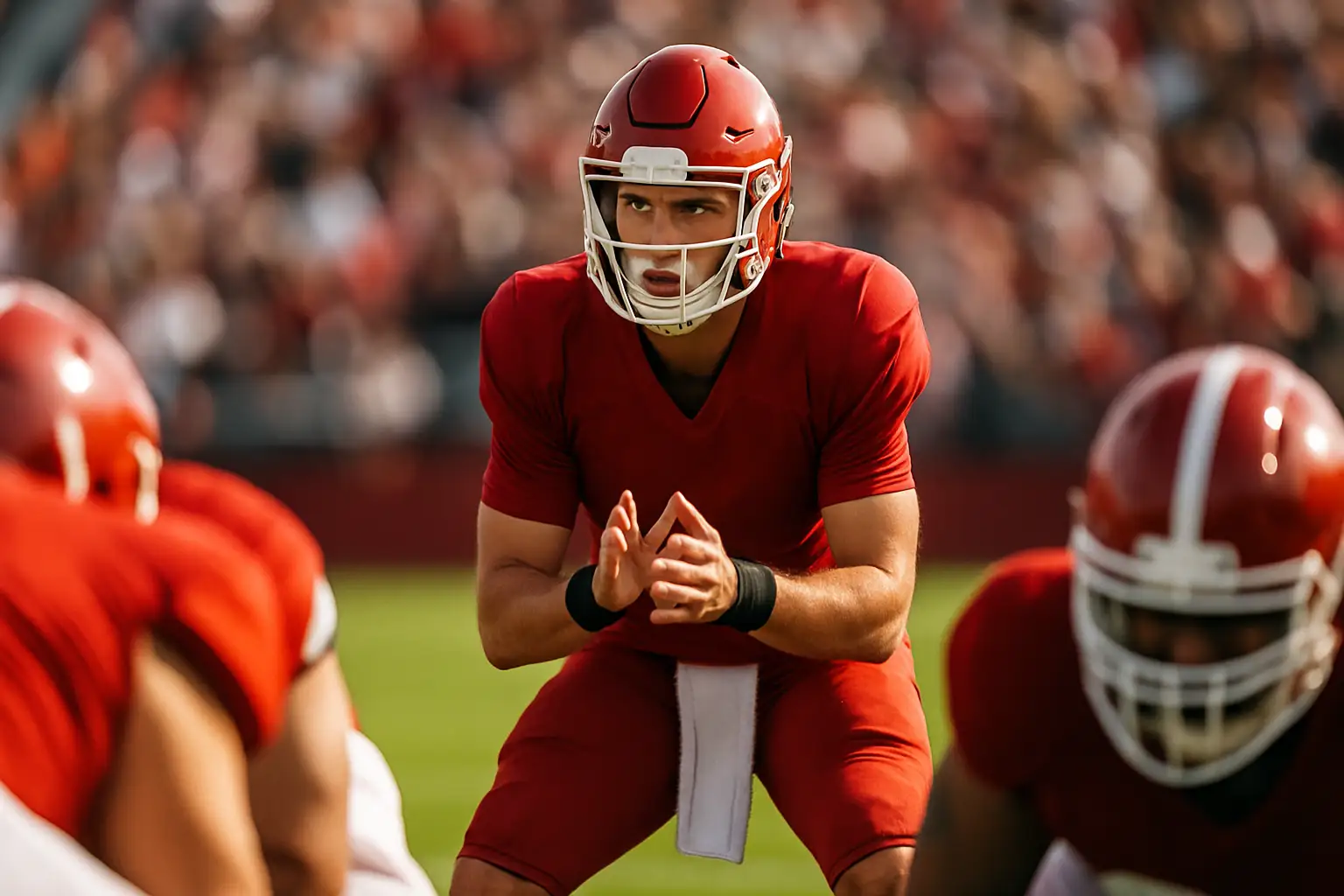
Women's Flag Football Edges Toward NCAA Championship Recognition
Women's flag football is moving closer to earning official NCAA championship status, a shift that could reshape college sports for female athletes across the country.
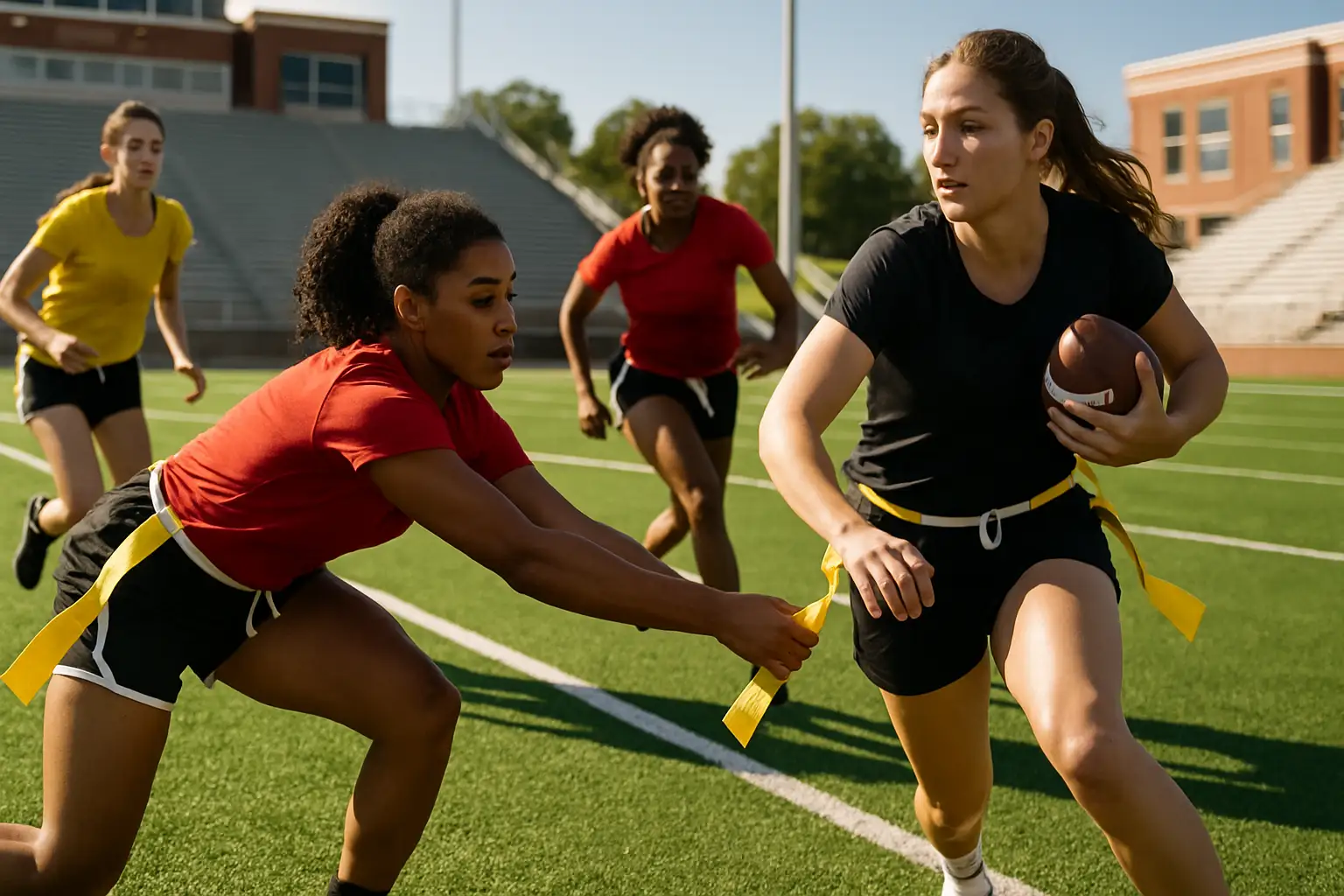


Women's Flag Football Gains Ground at the NCAA Level
Women's flag football is edging closer to NCAA championship status, a development that could mark one of the more significant expansions of collegiate women's sports in recent years. According to reporting by KCRA, the sport is progressing through the NCAA's governance structure in a way that puts it on a credible path toward full championship recognition.
For context, a sport earns NCAA championship status when enough member schools sponsor it at a varsity level and the NCAA's governing bodies vote to sanction an official championship tournament. Flag football has been growing rapidly at the high school level, and that momentum is now feeding into college programs.
The push reflects broader efforts to expand athletic opportunities for women under Title IX, the federal law requiring gender equity in educational programs that receive federal funding. Adding an NCAA-sanctioned championship would give women's flag football the same institutional standing as sports like soccer, basketball, and softball.
What NCAA Championship Status Actually Means
The distinction matters for a straightforward reason: without championship status, a sport exists at the margins of college athletics. Schools may offer it, but there is no national title to compete for, no standardized bracket, and often no scholarship pipeline attached to it.
Once a sport achieves championship status, the NCAA organizes and funds a national tournament. That typically leads to increased investment from universities, more scholarships for athletes, and greater visibility for the sport overall. Coaches get hired, recruiting budgets grow, and the sport builds the kind of infrastructure that sustains it long-term.
For flag football specifically, championship status would also send a signal to the NFL and other stakeholders who have been funding the sport's growth at the youth and high school levels. The league has invested in flag football as a way to broaden the sport's appeal, particularly among women and girls.
Growing Momentum Behind the Sport
The number of colleges and universities offering women's flag football has been climbing. That growth is a prerequisite for NCAA action since the organization requires a minimum number of sponsoring institutions before it will consider launching a championship in any given division.
High school participation numbers have also surged in recent years. Several states have added girls' flag football as a sanctioned high school sport, creating a larger pool of experienced players who are now college-aged and looking for programs to join. That pipeline is one reason college athletic directors have been more willing to add the sport.
The NFL's backing has not hurt either. The league has provided funding and organizational support to help establish flag football at multiple levels, framing the sport as both an accessible entry point for new fans and a legitimate competitive outlet for female athletes who grew up watching and loving the game.
What Comes Next
The path to an official NCAA championship still requires formal votes and continued growth in school sponsorship numbers. The process is not instant. Sports can spend years in an emerging phase before clearing the threshold for a sanctioned championship.
But the direction is clear. Women's flag football has moved from a novelty offering at a handful of schools to a sport with genuine institutional momentum. If sponsorship numbers continue to climb and the NCAA's membership votes in favor, a national championship could become a reality within the next few years.
For female athletes who grew up playing flag football, that would be a concrete and meaningful change, giving them a clear competitive target and the scholarship opportunities that come with varsity status at the college level.


Football Correspondent
Alex covers football and the global game with fast, sharp analysis.